This content is also available in: German
Safeguarding the German automotive sector with autonomous public transport
A new discussion paper by Agora Verkehrswende spotlights the potential offered by autonomous vehicles for a sustainable public transport system / With targeted industrial policy Germany has an opportunity to become a lead market and leading supplier in this area / Pilot regions for regular service operations with autonomous vehicles should be established over the near term
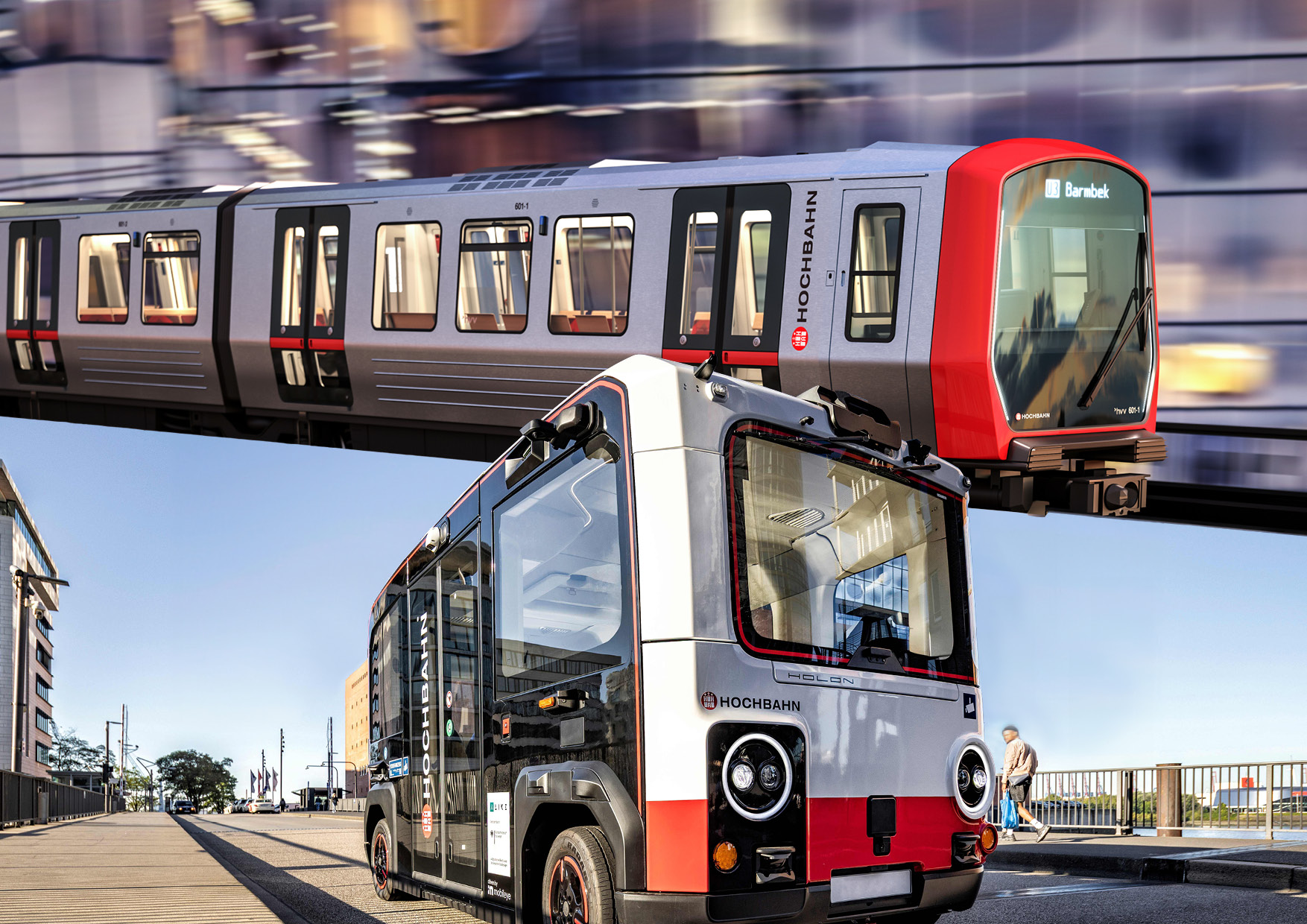
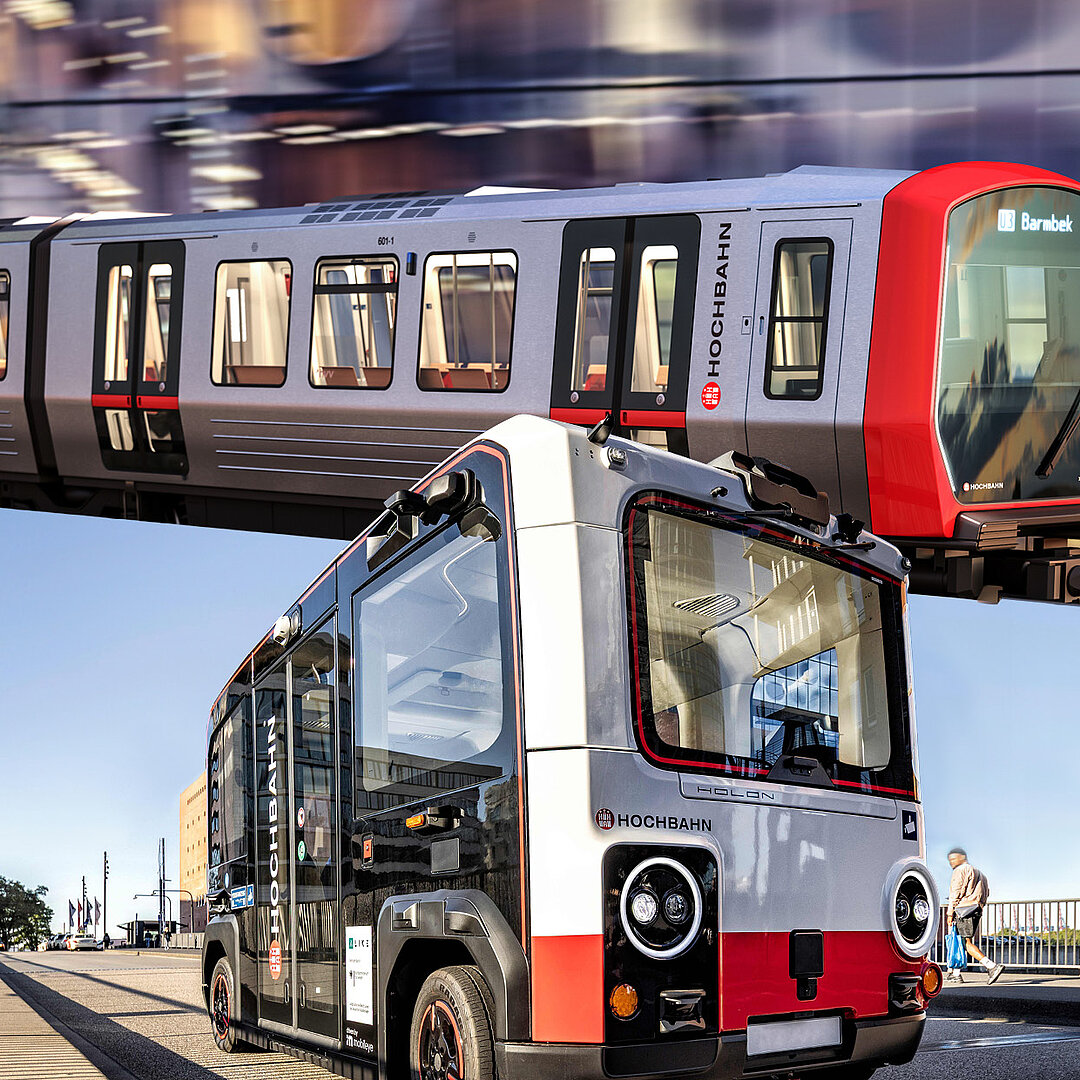
4 June 2026. Autonomous and highly automated rail and road vehicles can boost the efficiency of public transit and enhance rural connectivity. In a new discussion paper, the think tank Agora Verkehrswende assesses the current status of automation technology and its adoption in Germany, spotlighting its potential to simultaneously benefit mobility, climate protection, and the economy.
The paper recommends commencing regular service operations with autonomous vehicles in large pilot regions. It also advocates for the establishment of a national alliance of stakeholders from government, industry, and researcher to ensure coordinated implementation.
The opportunities and challenges associated with autonomous vehicles differ considerably between road- and rail-based transport. Driverless minibuses are of value primarily for their ability to expand existing public transport services. When operated as app-based on-demand shuttles, they can have cost and flexibility advantages over conventional bus services with fixed schedules and routes. Such shuttles would provide sparsely populated areas with improved access to public transport. In Germany, the testing of such systems has not yet moved beyond small-scale local projects.
“Autonomous vehicles can guarantee clean transport for everyone, particularly in rural areas – provided they are integrated into the public transport system,” says Yannick Thoma, Senior Associate for Digital Transformation and Autonomous Driving at Agora Verkehrswende. “While the German government has adopted the right approach to this issue, testing has remained limited to small-scale pilot projects.”
Germany needs to accelerate its efforts in this area to avoid falling behind in the international competitive arena, the paper asserts. By establishing just a few large pilot regions, the transition to full-scale operations could be successfully achieved over the near term. This would create sufficient demand for vehicle production in Germany.
“The domestic manufacturing of autonomous on-demand shuttles would not only enhance access to transport services, but also boost domestic value creation and technological sovereignty,” Thoma concludes.
Driverless underground and suburban rail services are already common in many places
Fully autonomous operation is technically mature in closed rail system (e.g. in metro). Yet even highly automated trains with onboard drivers enable higher frequency service while boosting reliability, the paper finds. Agora Verkehrswende recommends investing in advanced train control systems during line upgrades, as this lays the groundwork for the future integration of automated services.
“Driverless metros are already an aspect of everyday life in cities across the world,” says Philipp Kosok, Senior Associate for Public Transport at Agora Verkehrswende. “Anyone renovating a railway line in Germany today is effectively deciding that line’s capacity for the next 30 years based on the chosen train control system. Advanced systems provide the technical foundation for future automation – and thus enable the capacity increases in public transport required to achieve a climate-neutral transport sector. Cutting corners today would end up costing us even more tomorrow.”
The automation of Germany’s heavy rail network is more challenging. The European Train Control System (ETCS) is a technical prerequisite for heavy rail automation. Accordingly, the rapid roll-out of this system is essential. Agora Verkehrswende believes the German government and rail network operator DB InfraGO have a responsibility to push forward ETCS adoption.
Establishing Germany as a lead market and leading provider in autonomous public transport
The paper also spotlights the industrial policy opportunities of autonomous public transport. Europe is already a world leader in terms of rail technology and is well positioned to build upon its competitive strengths in this area. Germany has the potential to establish itself as a lead market and leading provider in the area of driverless minibuses. The realisation of associated opportunities will require large-scale, reliably funded pilot projects, so that German vehicle manufacturers experience sufficient demand. The paper sees promising potential in this area for cooperative projects with other European countries.
The development and large-scale manufacturing of autonomous public transport vehicles in Germany and Europe not only presents clear economic opportunities, but also promises to strengthen technological independence from foreign companies, the paper concludes. Such independence would be beneficial not least given the data security and safety issues posed by autonomous systems.
About the publication
Foreword, key findings and conclusion of the discussion paper “Establishing Germany as a lead market and leading provider in autonomous public transport." are available in English here, the full German version is available for download here.