Electric vehicles enjoy huge energy cost advantage in Latin America and the Caribbean
A new analysis shows that energy costs are two-thirds lower for electric vehicles than for internal combustion engine cars / The median country in the region spends three percent of GDP on fuel imports / Abundant renewables are crucial to the cost advantage of electric vehicles
Berlin, 14 April 2026. In Latin America and the Caribbean (LAC) the median energy costs per kilometre for an electric vehicle (EV) are one-third that of a comparable gasoline-powered passenger car. The cost advantage enjoyed by EVs is actually significantly higher in some countries. For example, it stands at 7:1 in Argentina, 5:1 in Mexico and 11:1 in Trinidad and Tobago. These findings, which emerge from an analysis conducted by the German think tank Agora Verkehrswende, are based on data gathered before the war erupted in the Middle East, thus likely understating the current magnitude of the EV cost advantage.
Moderate electricity prices in most LAC countries are a core driver of the observed differential in energy costs. Yet another important factor is the higher efficiency of electric drivetrains, as EVs are nearly four times as efficient as conventional vehicles when converting energy into movement.
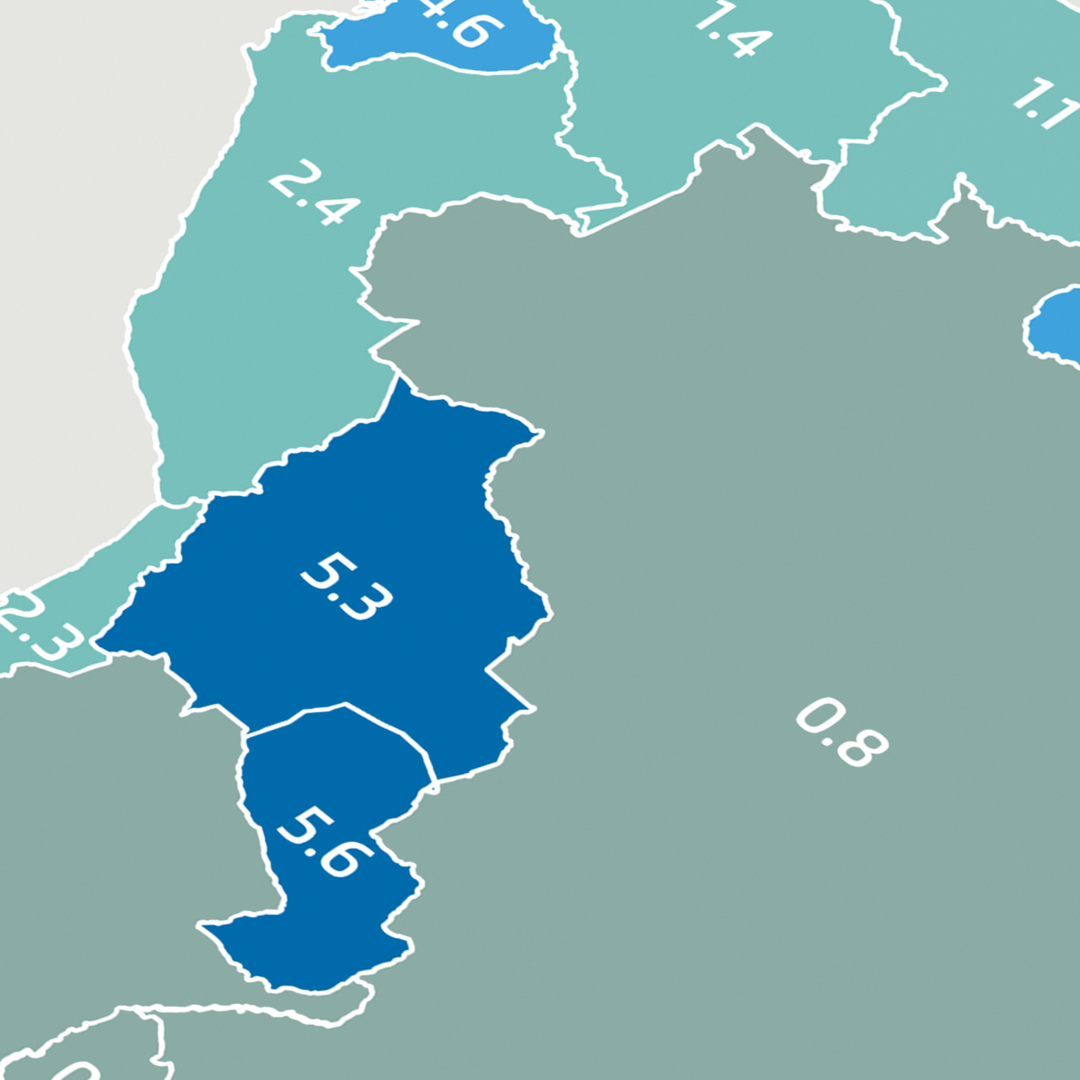
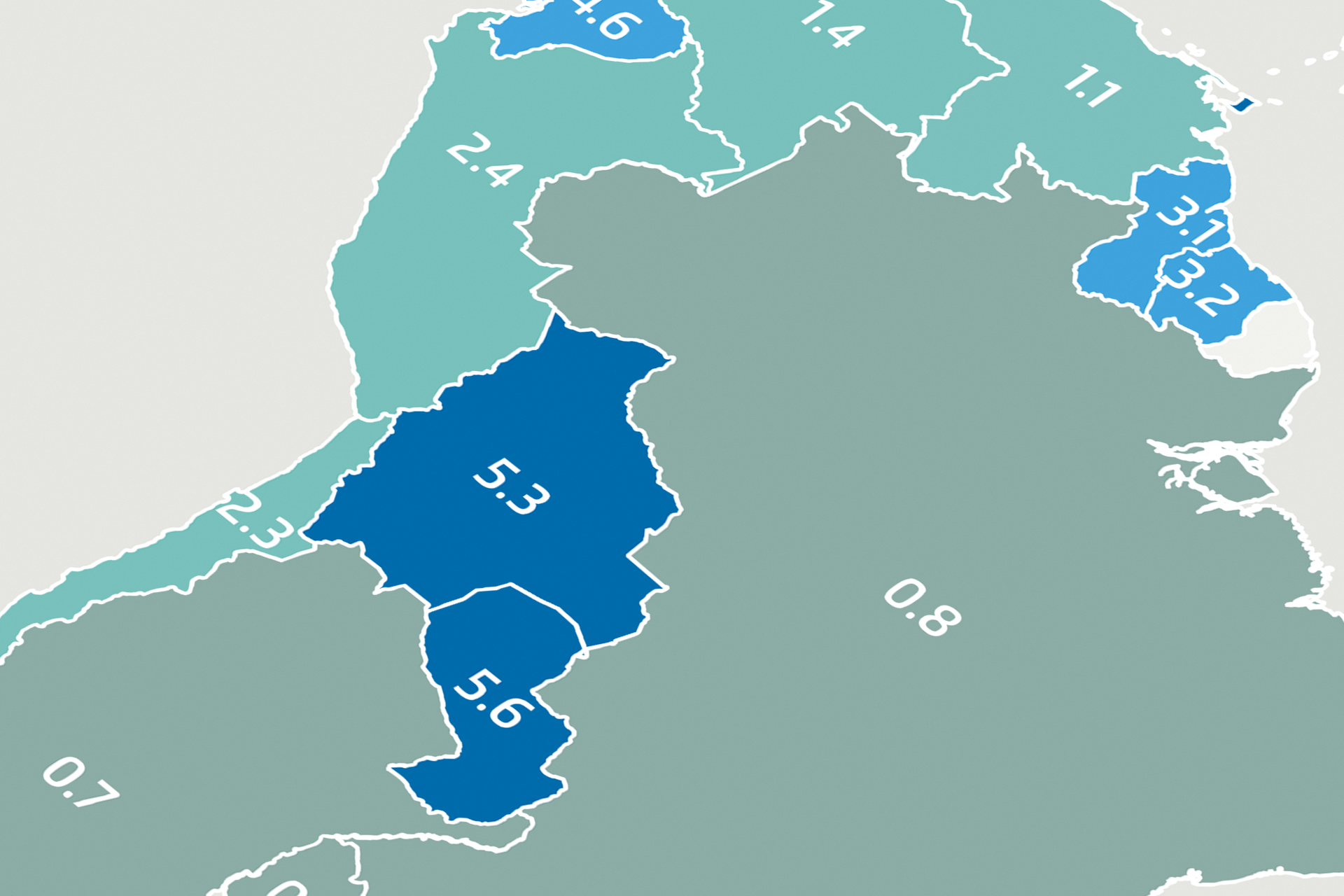
The study shows that LAC countries are heavily reliant on fossil fuel imports, which exposes them to volatile global oil prices and sudden price shocks. The median LAC country spends three percent of GDP on gasoline and diesel imports for road transport; Honduras, Paraguay, and Trinidad and Tobago have among the highest shares, expending more than 5.5 percent of GDP on transport fuel imports, followed by Bolivia (5.3 percent) and El Salvador (4.9 percent).
Furthermore, public budgets in numerous LAC governments are burdened by fuel subsidies that aim to shield consumers from high oil prices. Such subsidies swallow three percent of GDP in Bolivia and Ecuador, and up to six percent of GDP in Venezuela.
“Reducing dependence on imported fossil fuels offers numerous advantages, including lessening the economic risks associated with volatile international oil markets,” says Linda Cáceres Leal, Project Manager for International Cooperation for Latin America at Agora Verkehrswende. “To lower the demand for fossil fuels governments should encourage the shift to electric mobility while also prioritising the expansion of public and shared transport. Ultimately, every dollar wasted on fuel imports or subsidies is a dollar that could have been invested more productively in sustainable transport.”
Policies should prioritise access to reliable, safe, and affordable mobility, especially for low- and middle-income households and underserved communities, so that decarbonisation does not come at the cost of social inclusion.
Thanks to abundant renewable energy resources, particularly in hydropower, LAC countries currently cover 62 percent of power demand with renewables – over twice the global average. Plentiful renewables deliver low-cost power to homes and businesses, underpinning the structural cost advantage of electromobility.
“The further development of the region’s massive renewables potential will ensure stable, low-cost power as it transitions away from fossil fuels in transport,” Cáceres Leal says.
About the Publication
The English- and Spanish-language analysis of fuel costs in Latin America and the Caribbean features infographics on the energy cost savings of switching to electric mobility for national budgets and consumers. The fuel cost maps and additional results of the analysis are available for download free of charge here.