- Authors
- Fanny Tausendteufel (Agora Verkehrswende)
- Version number
- 1.0
- Publication date
-
16 September 2026
- Pages
- 15
- Suggested citation
- Agora Verkehrswende (2026): Bidirectional charging – a primer. How it works, what benefits it offers, and where Germany stands in international comparison.
This content is also available in: German
Bidirectional charging – a primer
How it works, what benefits it offers, and where Germany stands in international comparison
- Why is bidirectional charging beneficial for the power system?
- How can car owners benefit from bidirectional charging?
- What regulatory and technical requirements are necessary for bidirectional charging?
- How widespread is bidirectional charging in Germany?
- How are other countries making progress with bidirectional charging?
- Conclusion: Strategic Opportunities for Germany as an Automotive Hub
Bidirectional charging is currently gaining momentum, driven by two trends: commercial solutions are being announced or are already reaching the market in growing numbers, while economic uncertainties and rising energy costs mean finding ways to cut electricity costs is becoming increasingly important. Bidirectional charging sits at the intersection of these trends – it has the potential to relieve strain on the power grid and, in doing so, reduce energy costs for individual users. This fact sheet examines what bidirectional charging can already achieve today, and what is still needed to establish it as a widespread standard.
Why is bidirectional charging beneficial for the power system?
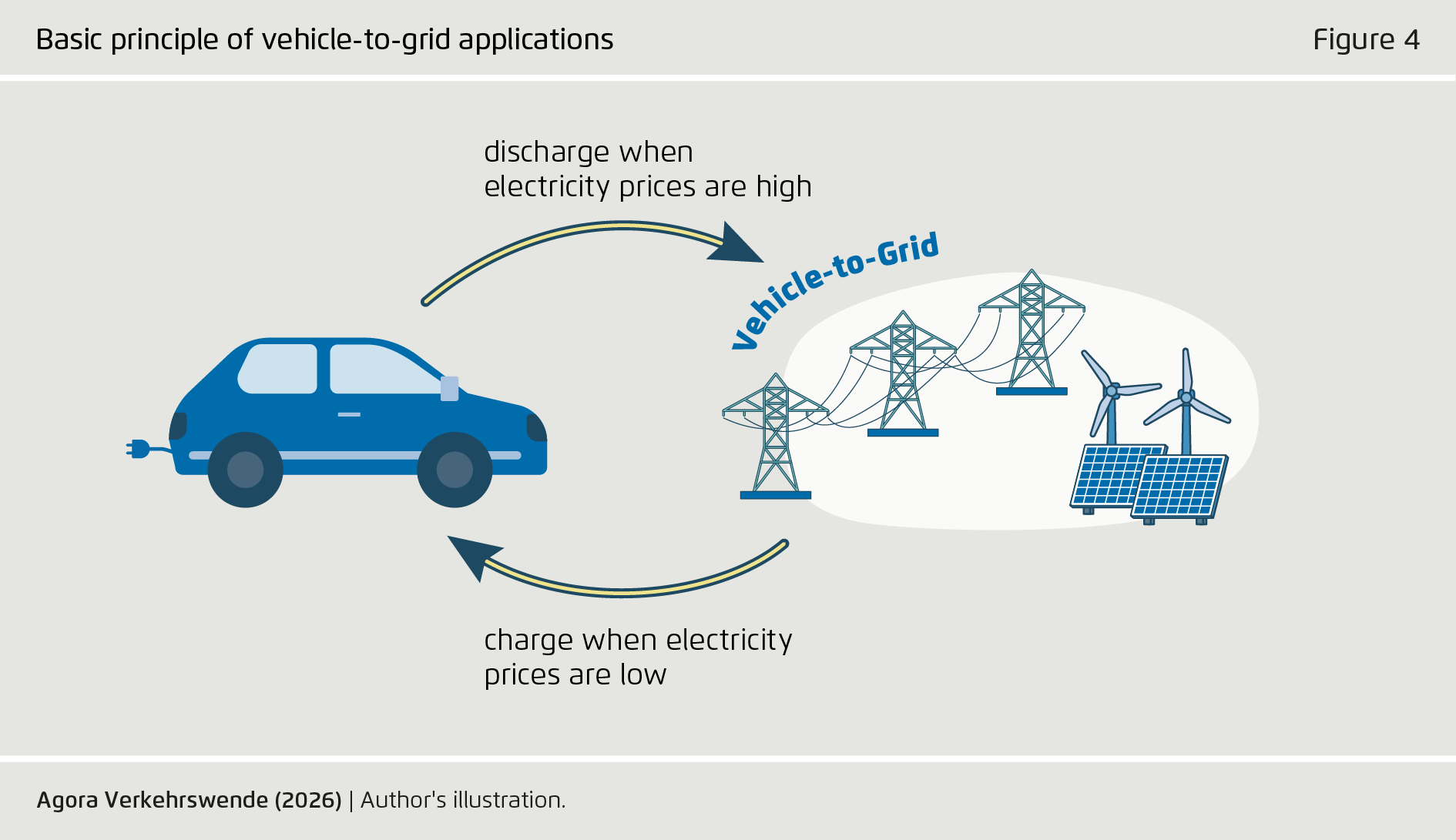
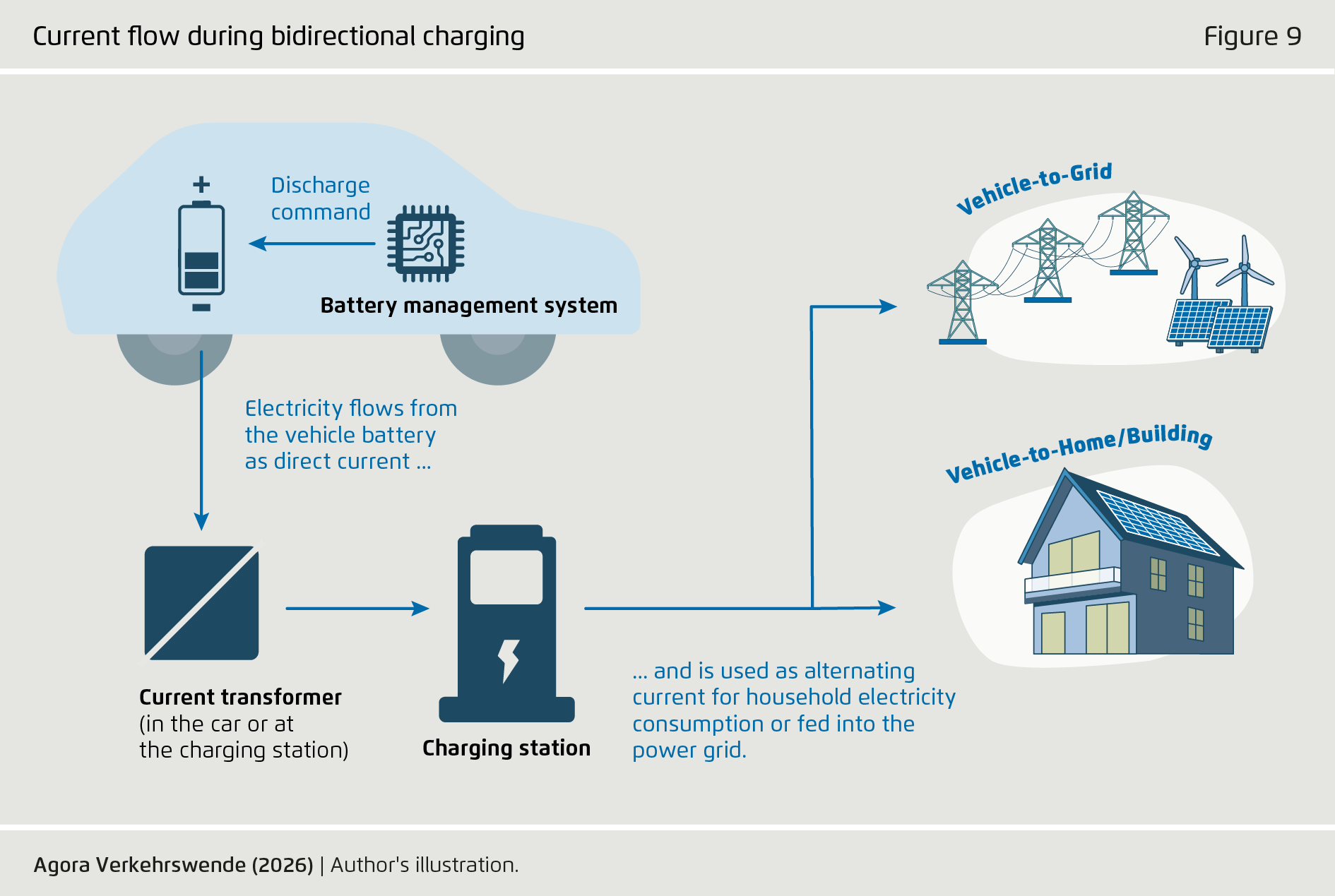
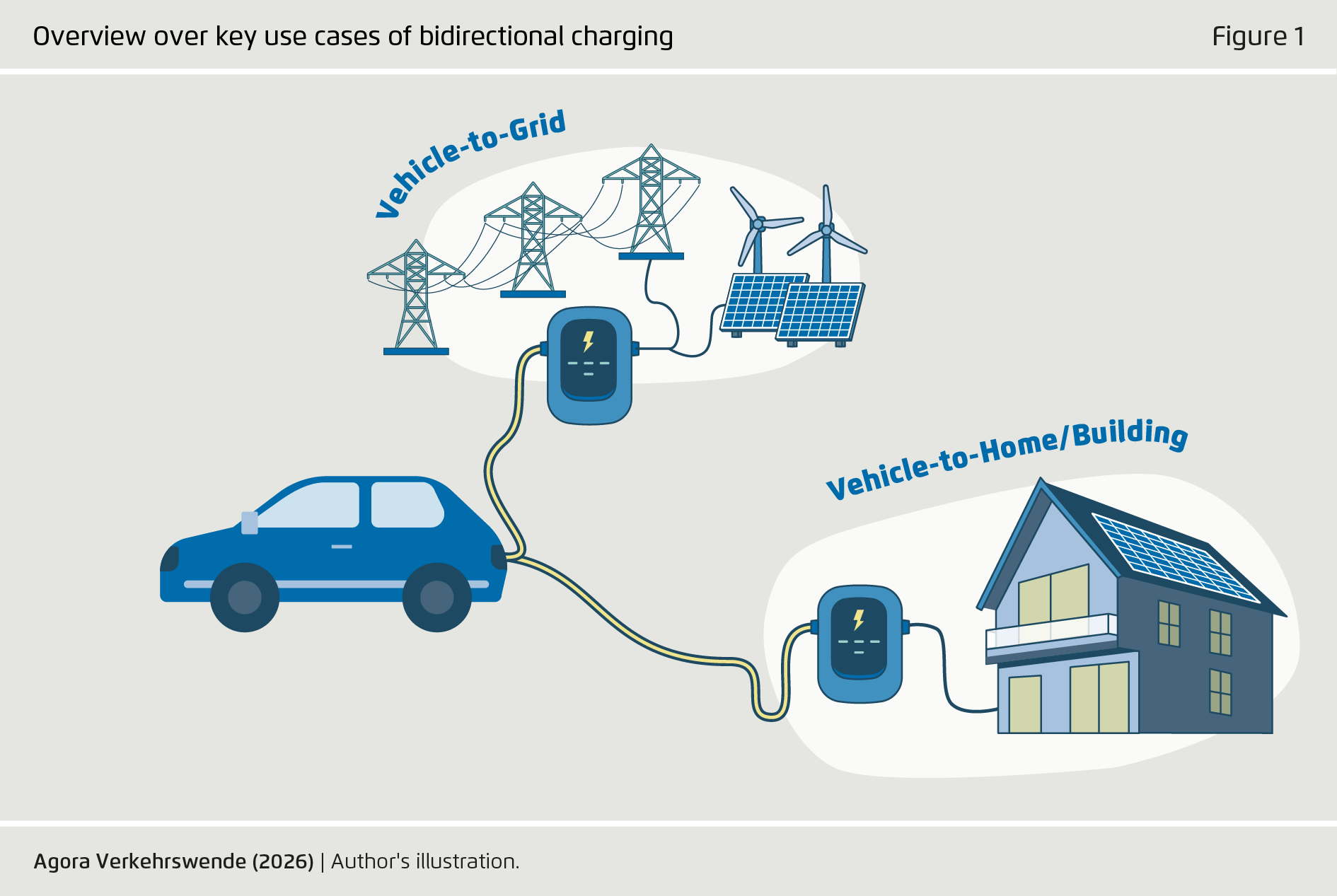
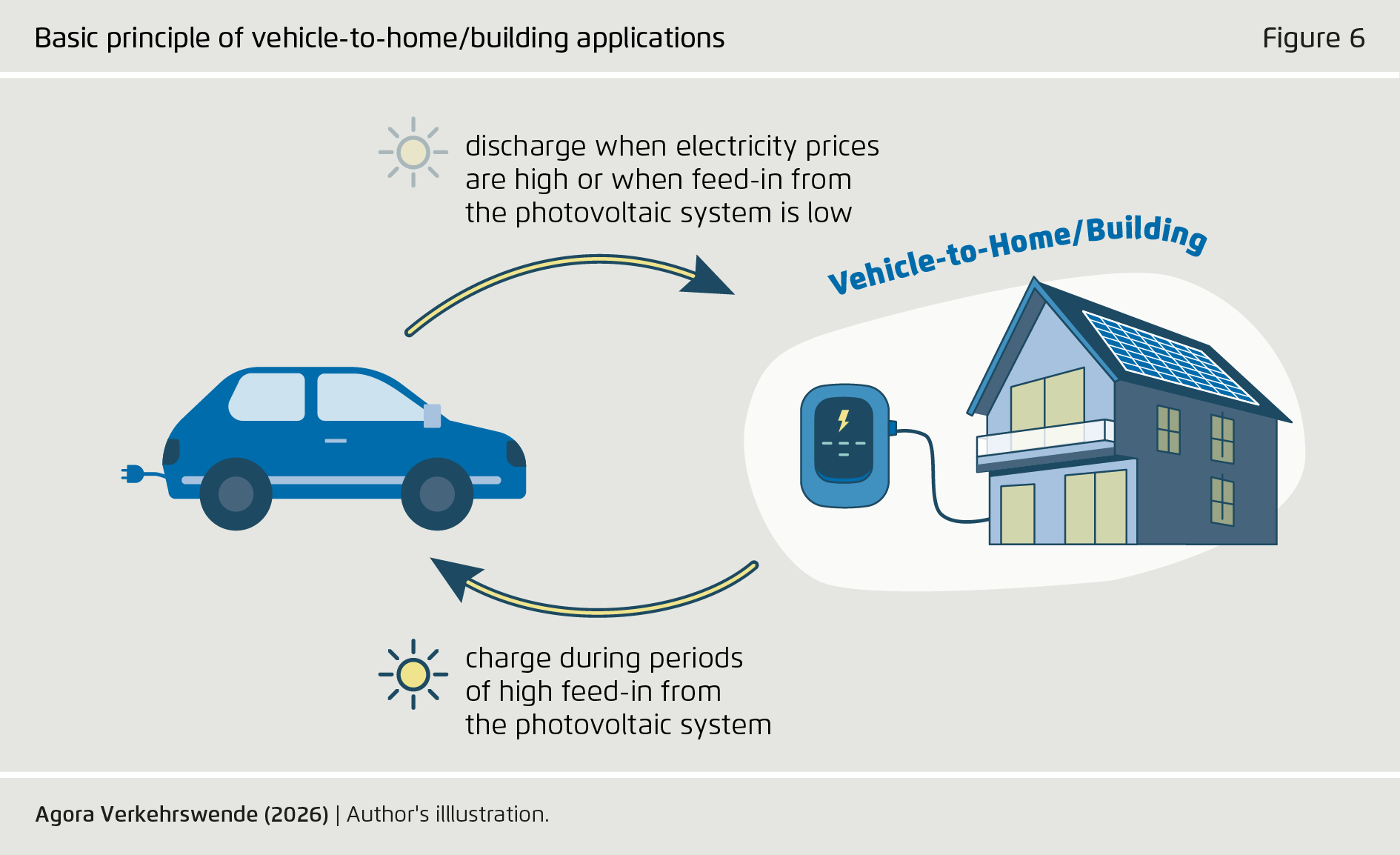
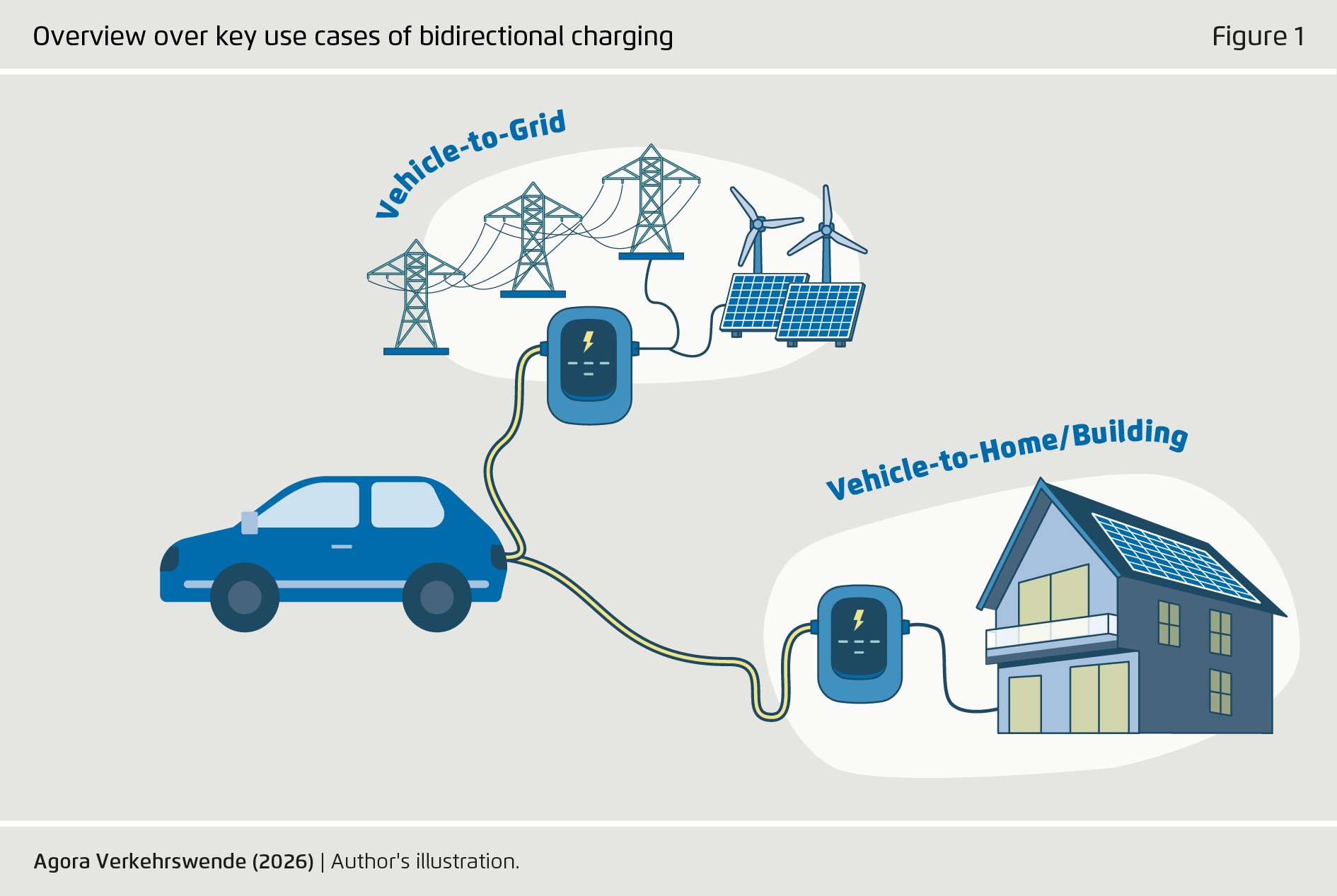
Bidirectional charging turns electric vehicle batteries into flexible energy storage systems. With bidirectional charging, electricity can flow in both directions: from the grid or the vehicle owner’s photovoltaic system into the car, and from the car back into the home (Vehicle-to-Home, V2H) or into the power grid (Vehicle-to-Grid, V2G). The absorption and discharge of electricity by the drive battery can both be controlled according to specific criteria. This targeted control of absorption is therefore also referred to as controlled charging. For example, the charging process may not start until a particularly large amount of renewable electricity is available, or the charging power may vary depending on how much capacity is available on the power grid. Bidirectional charging also includes the targeted feed-in of electricity.
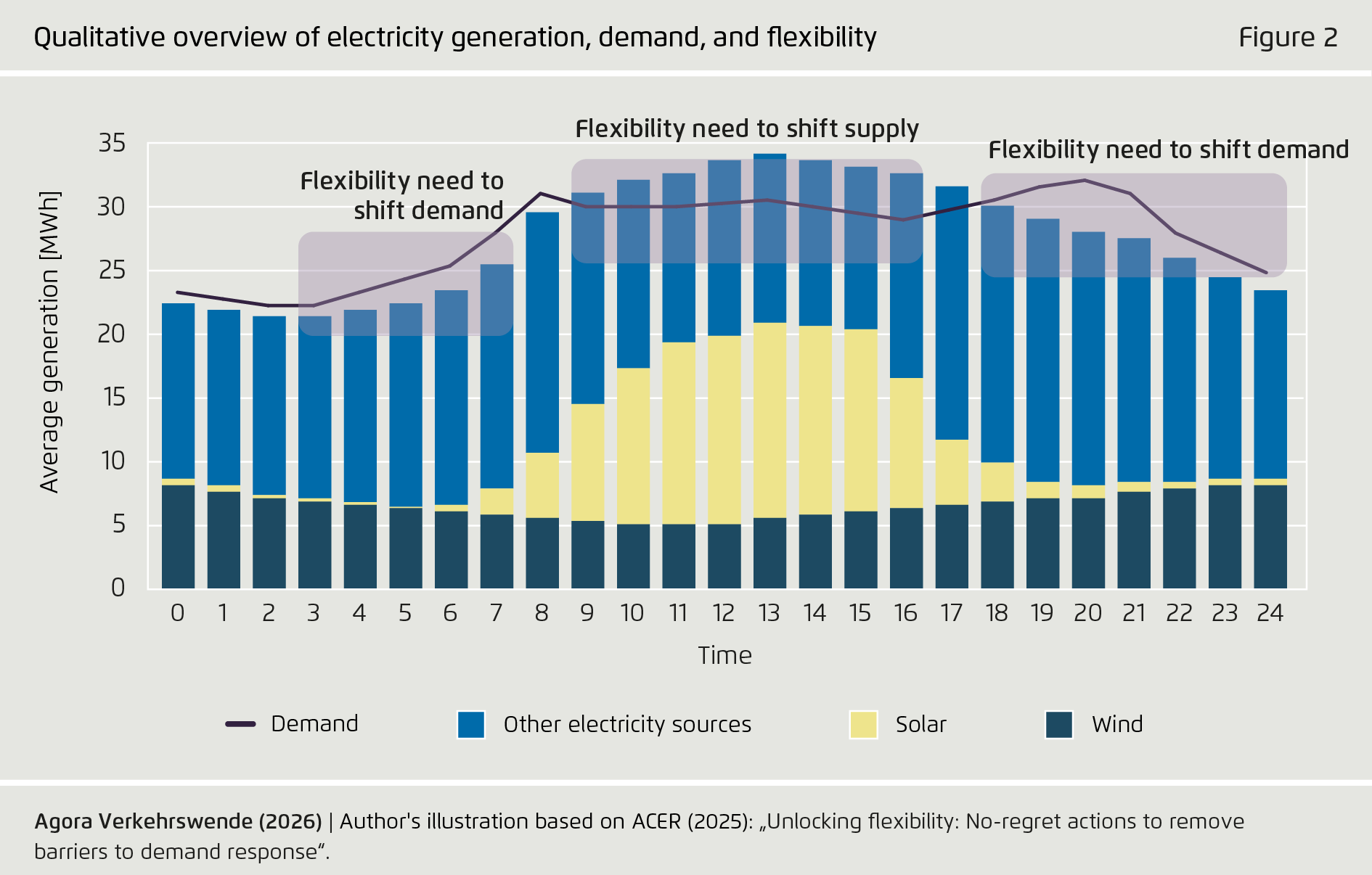
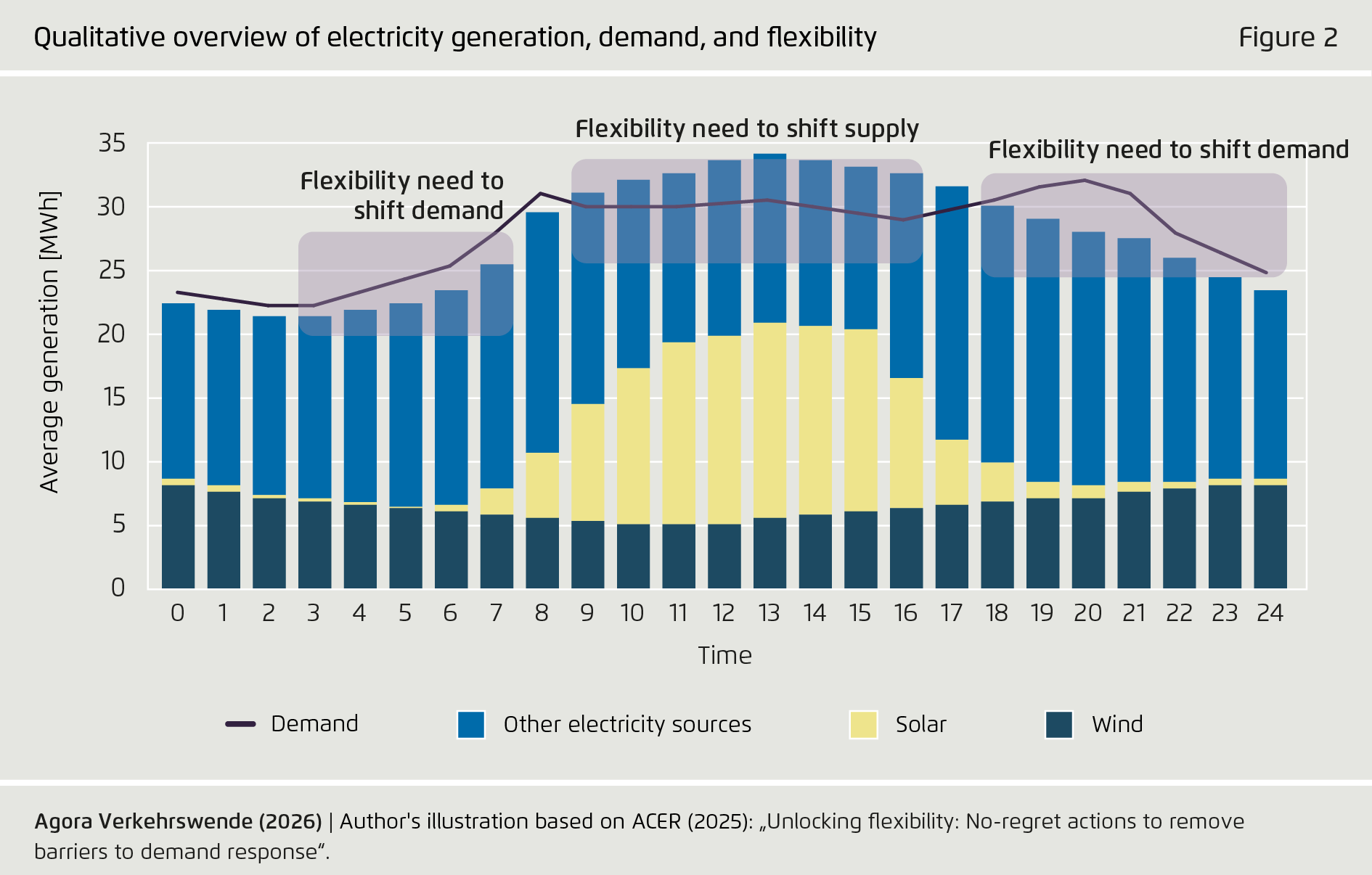
As flexible storage solutions, electric vehicle batteries can strengthen the power system and reduce costs. With the expansion of renewable energy, flexibility in the power system is becoming increasingly important. Bidirectional charging can help balance out the fluctuating feed-in from wind and solar energy and ensure grid stability. When electricity generation is high and demand is relatively low – such as during the sunny midday hours – electricity can be purchased at low prices; when electricity generation is low and demand is relatively high – such as in the morning or evening – the electricity purchased at a lower price can be used in the home or sold on the electricity market. This allows for better utilisation of existing capacity, partially replaces more expensive generation sources, like gas-fired power plants, and reduces overall costs. At the same time, an increase in the simultaneity of charging and power feed-in may also necessitate the further expansion of the power grid. It is therefore important to create incentives to reduce grid load and to use drive batteries in a way that benefits the system.
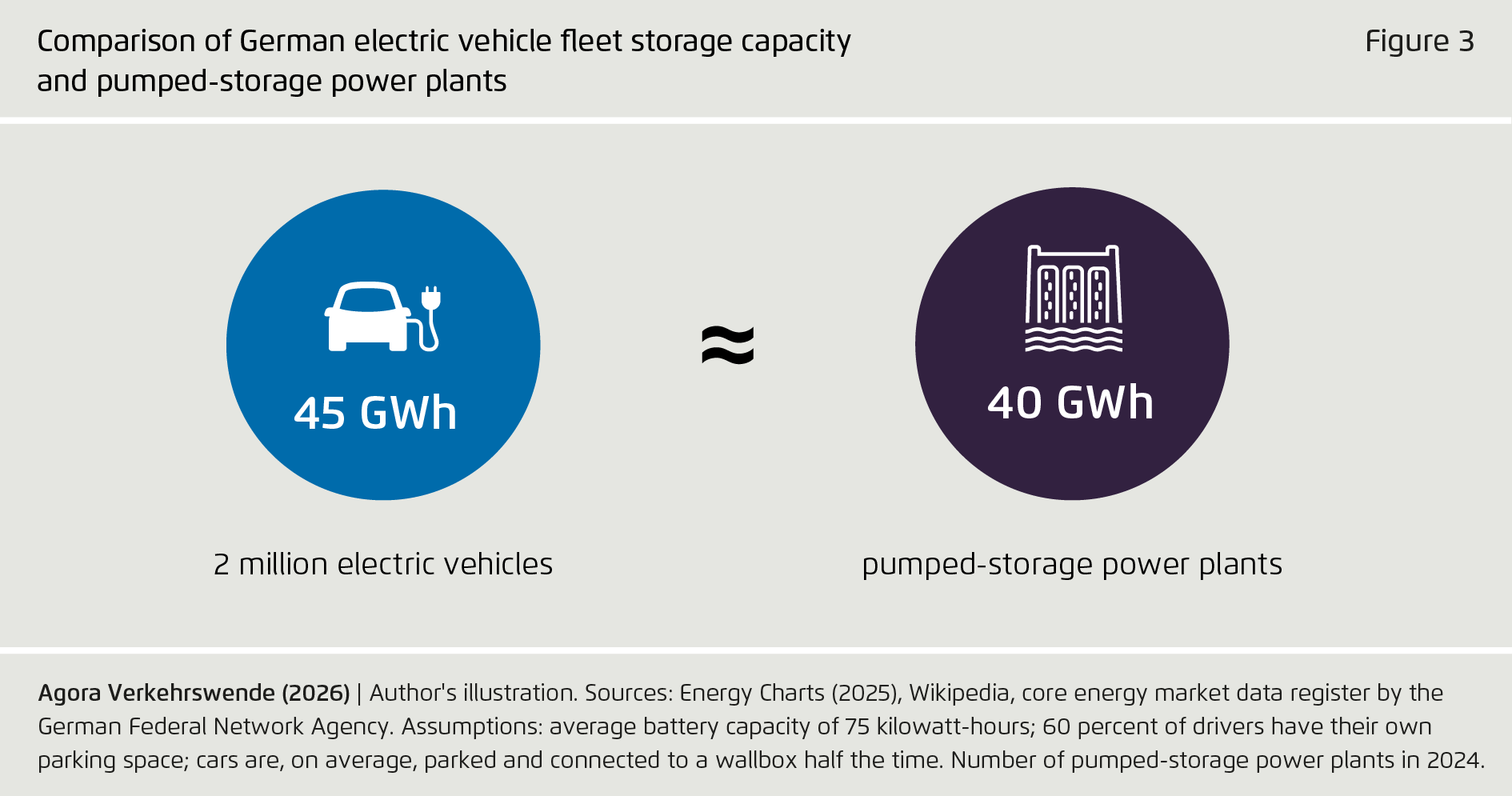
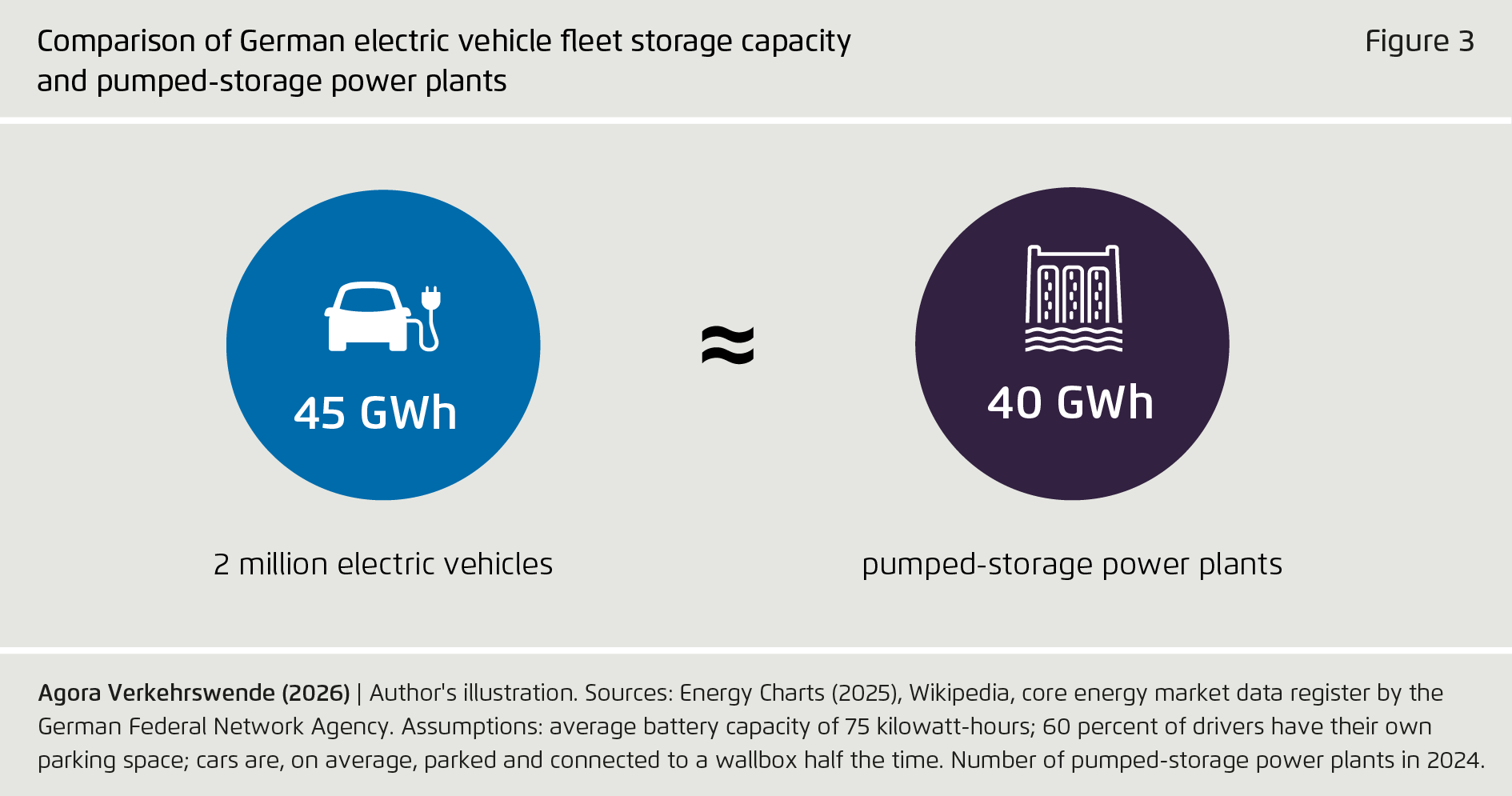
The fleet of electric vehicles can store roughly as much electricity as all existing pumped-storage power plants combined. As the expansion of renewable energy continues, the need for storage capacity in the power system is increasing. Pumped-storage power plants play a central role here. Currently this is the only technology available in Germany that can store large amounts of electricity. In this process, water is pumped into an elevated reservoir using low-cost electricity. When needed, the water is released through turbines, and the electricity generated is fed back into the grid. However, the economic potential for expanding pumped-storage power plants in Germany is limited. The growing number of electric vehicles offers a promising complement in the future. If the drive batteries are aggregated in large quantities, a so-called virtual power plant is created. This approach would be particularly cost-effective, as existing battery capacities could be utilised.
How can car owners benefit from bidirectional charging?
Bidirectional charging turns a parked car into a source of income. Cars are usually on the road for only a few hours a day. Thanks to bidirectional charging, even the time electric cars spend parked can be put to good use. Longer periods of inactivity, such as at home or at work, are particularly well-suited for this. Charging speed is less of a concern in these cases. For EV users, the most important thing is that the battery is sufficiently charged when the vehicle is needed again. Software services can be used to set a minimum charge level for this purpose. If users make their parked car available as flexible storage, they can significantly reduce their driving costs, because storage flexibility provides financial value. The impact on the vehicle battery is minimal, provided that the charging and discharging processes primarily take place within the 40 to 70 percent range of the battery’s capacity.¹
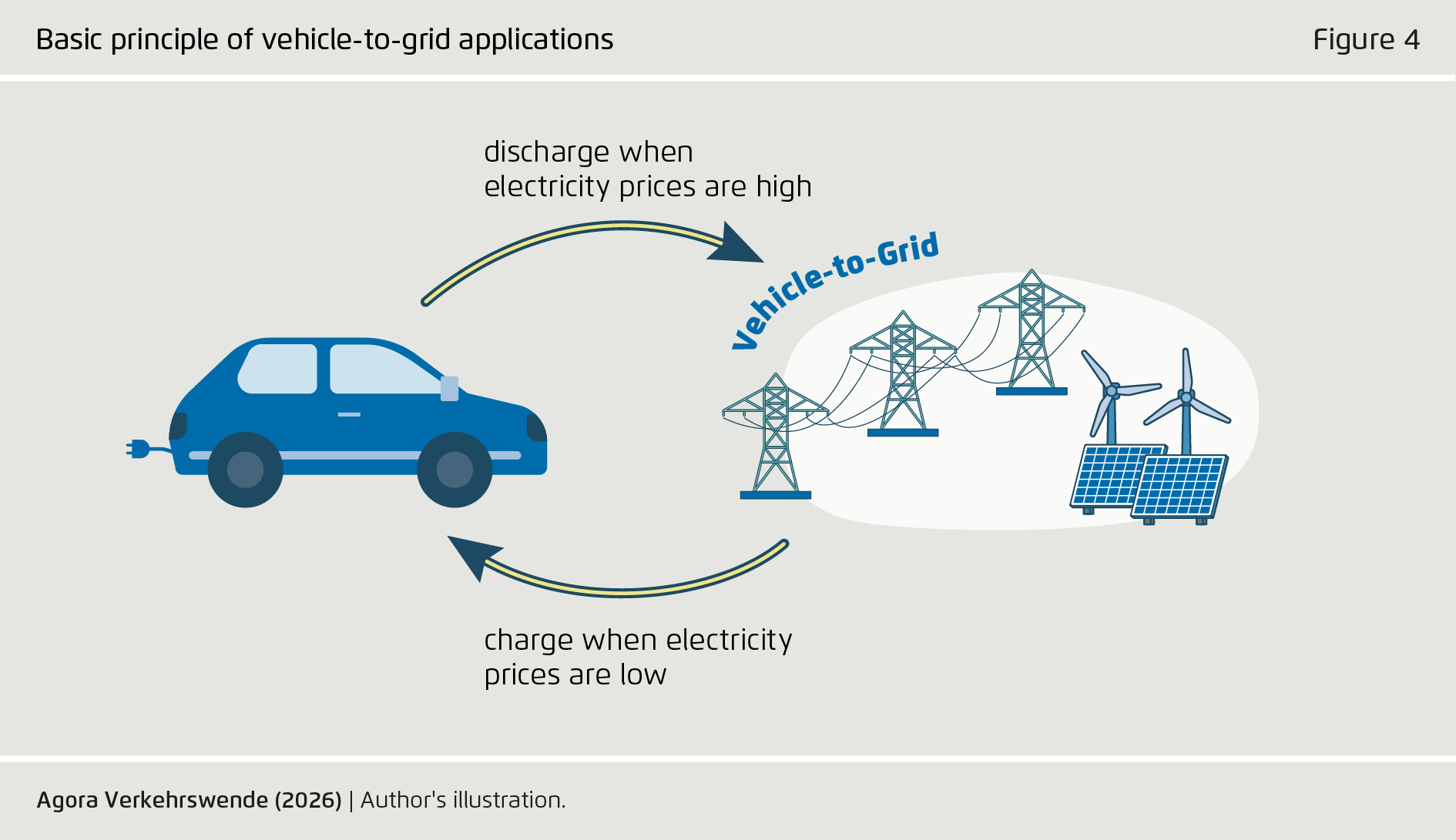
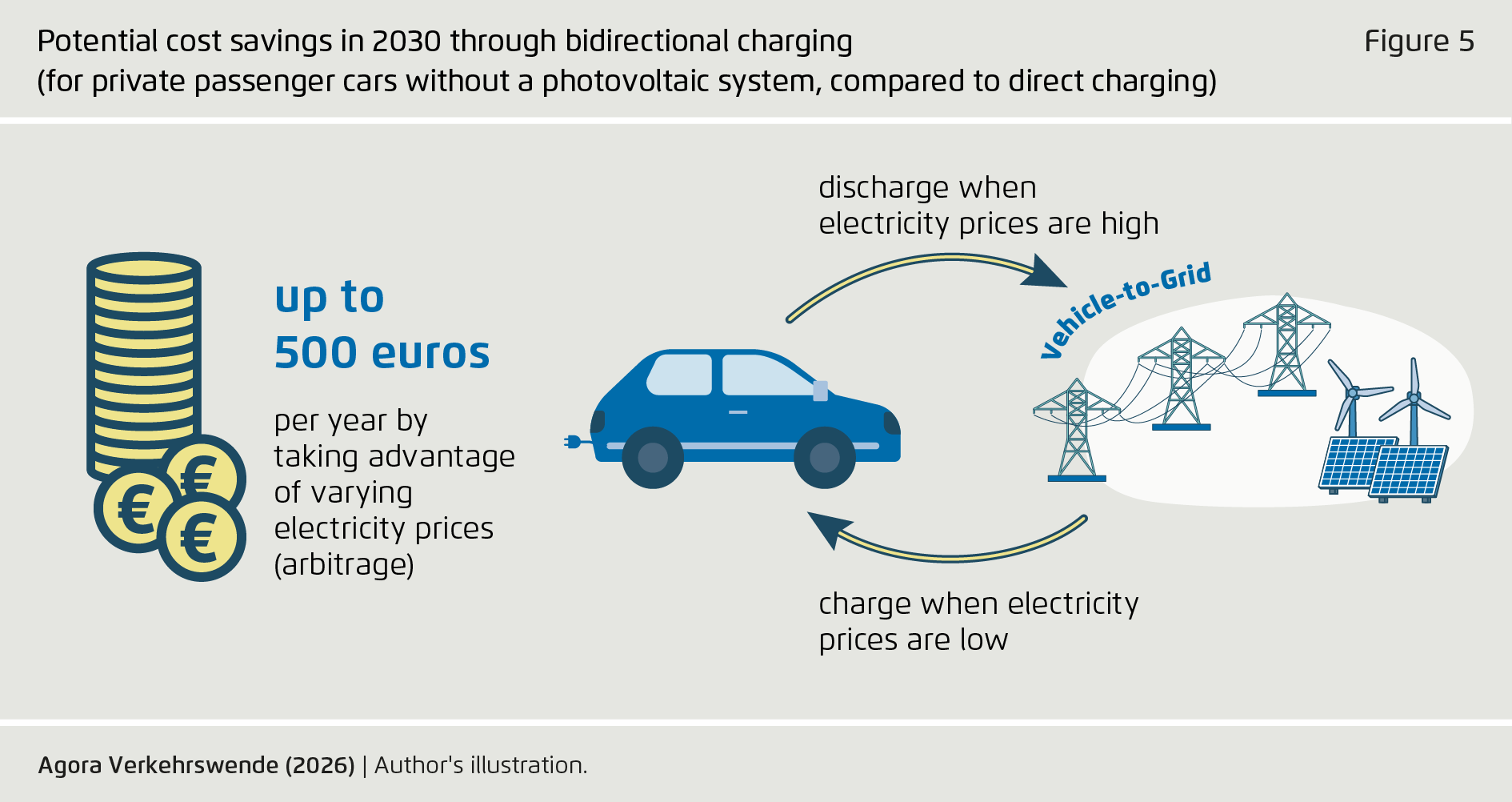
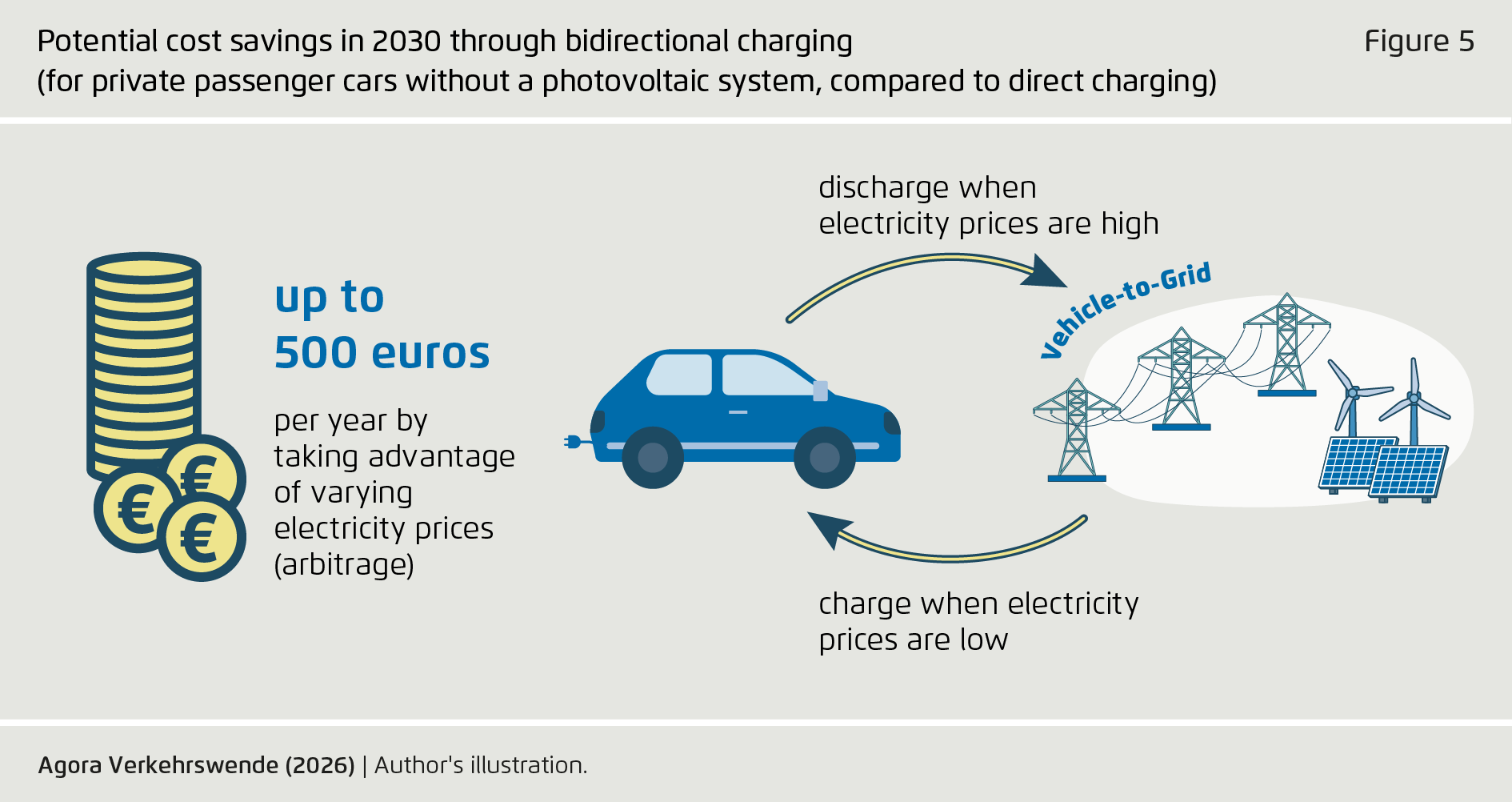
Feeding electricity back into the grid (Vehicle-to-Grid) offers significant profit potential. If drivers receive a price signal based on electricity market prices through a dynamic electricity rate plan, they can strategically manage their charging sessions. The vehicle is preferably charged during times when electricity prices are low. The electricity is later fed back into the grid from the vehicle’s battery when electricity prices are high. An analysis by Agora Verkehrswende shows that by consistently exploiting these price differences (arbitrage), drivers in Germany could realise profits of up to 500 euros per year by 2030.
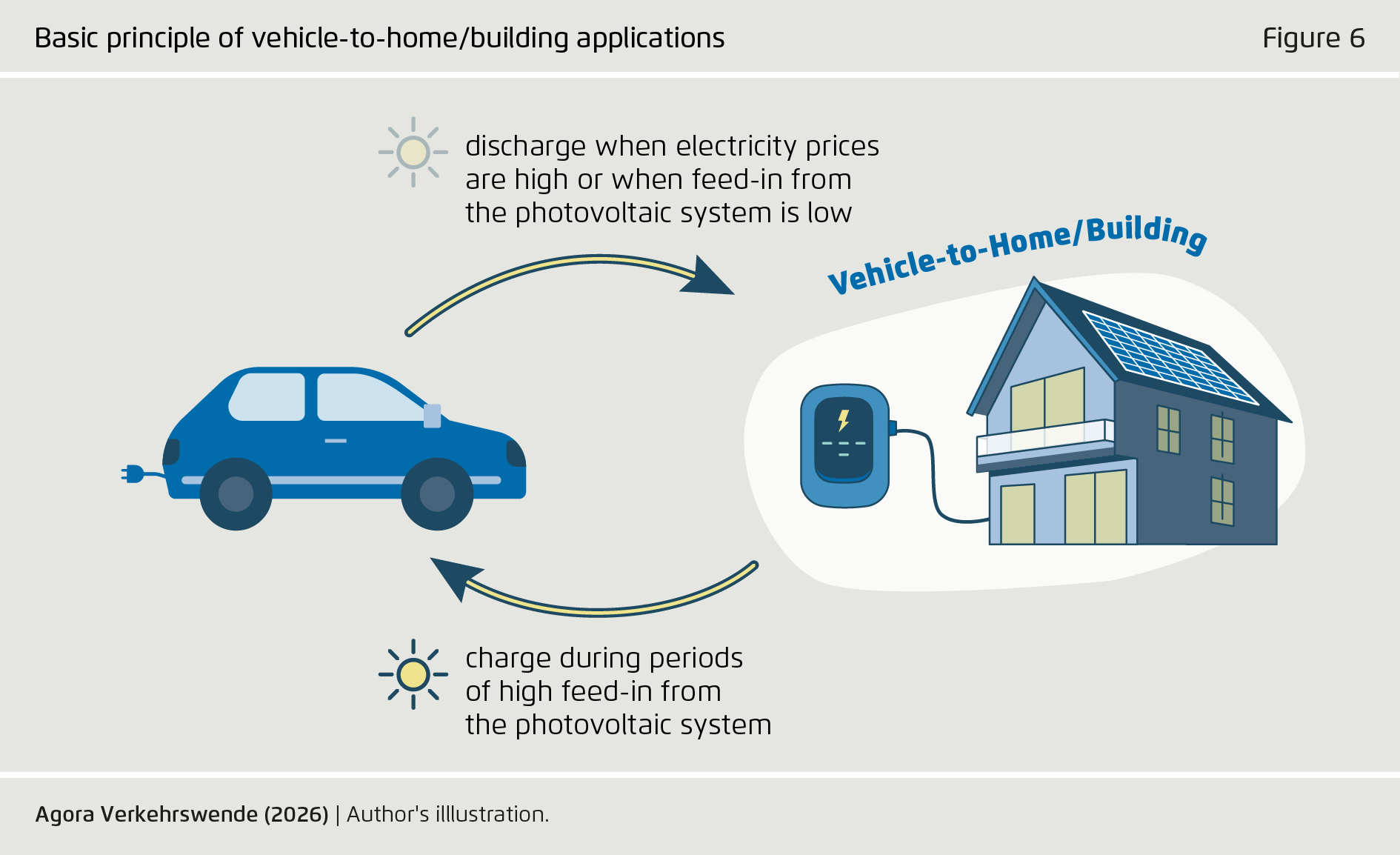
When combined with self-generation (Vehicle-to-Home/Building), additional savings are possible. If the electric vehicle is used in combination with a photovoltaic system to also supply power to a private household or commercial building, the profit potential increases. The vehicle’s electricity needs are met by the PV system during periods of high power generation. Excess energy can be temporarily stored in the vehicle’s battery and later used for household consumption or fed into the public grid when electricity prices are high. With an annual consumption of 4,000 kWh², a single battery charge lasts about one week. In addition to the arbitrage gains from Vehicle-to-Grid applications, this further reduces electricity procurement costs. Currently, household applications alone (Vehicle-to-Home/Building), without combining them with grid feed-in (Vehicle-to-Grid), offer hardly any financial advantage over controlled charging in Germany. This is because the additional costs for bidirectional charging infrastructure often exceed the resulting savings.
What regulatory and technical requirements are necessary for bidirectional charging?
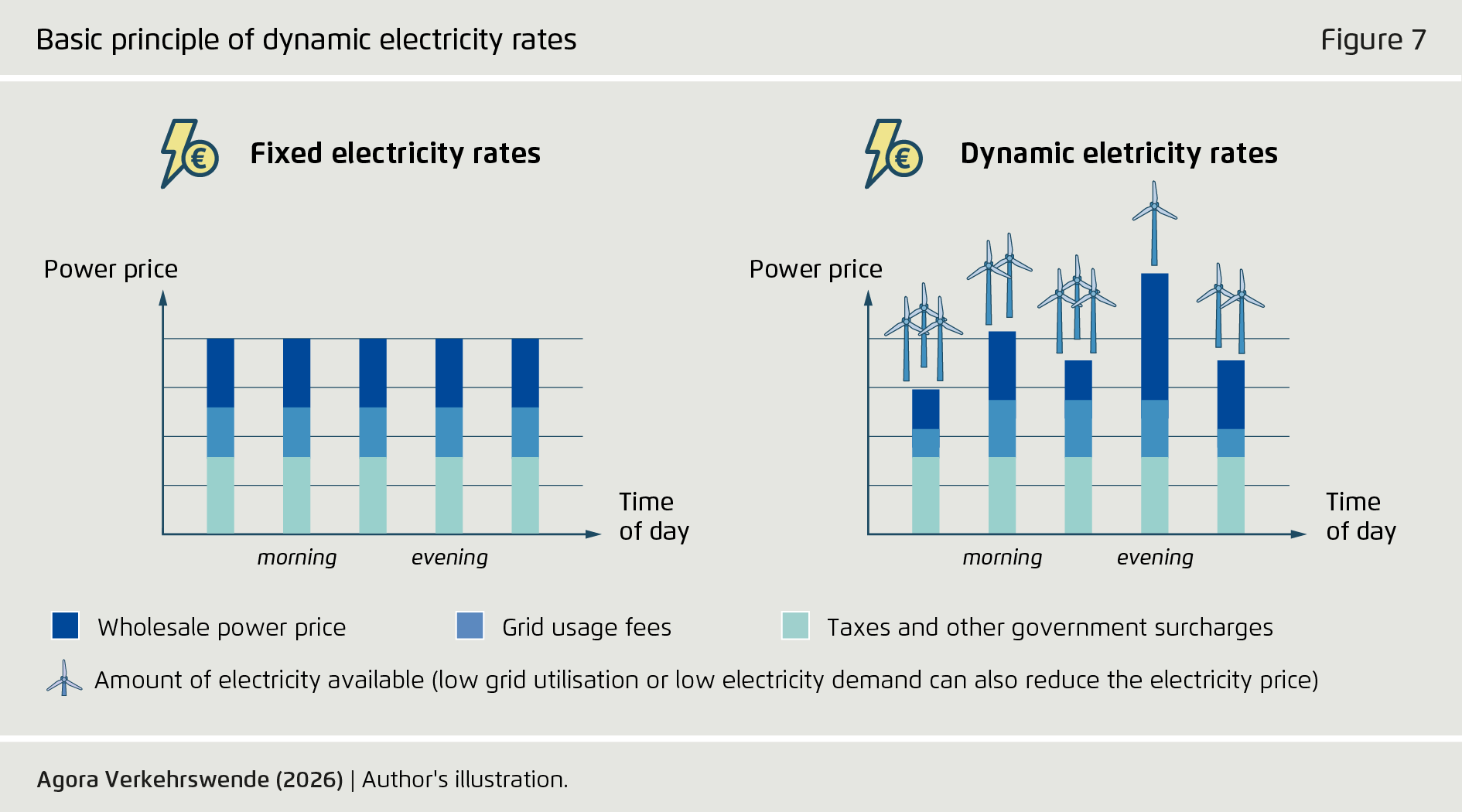
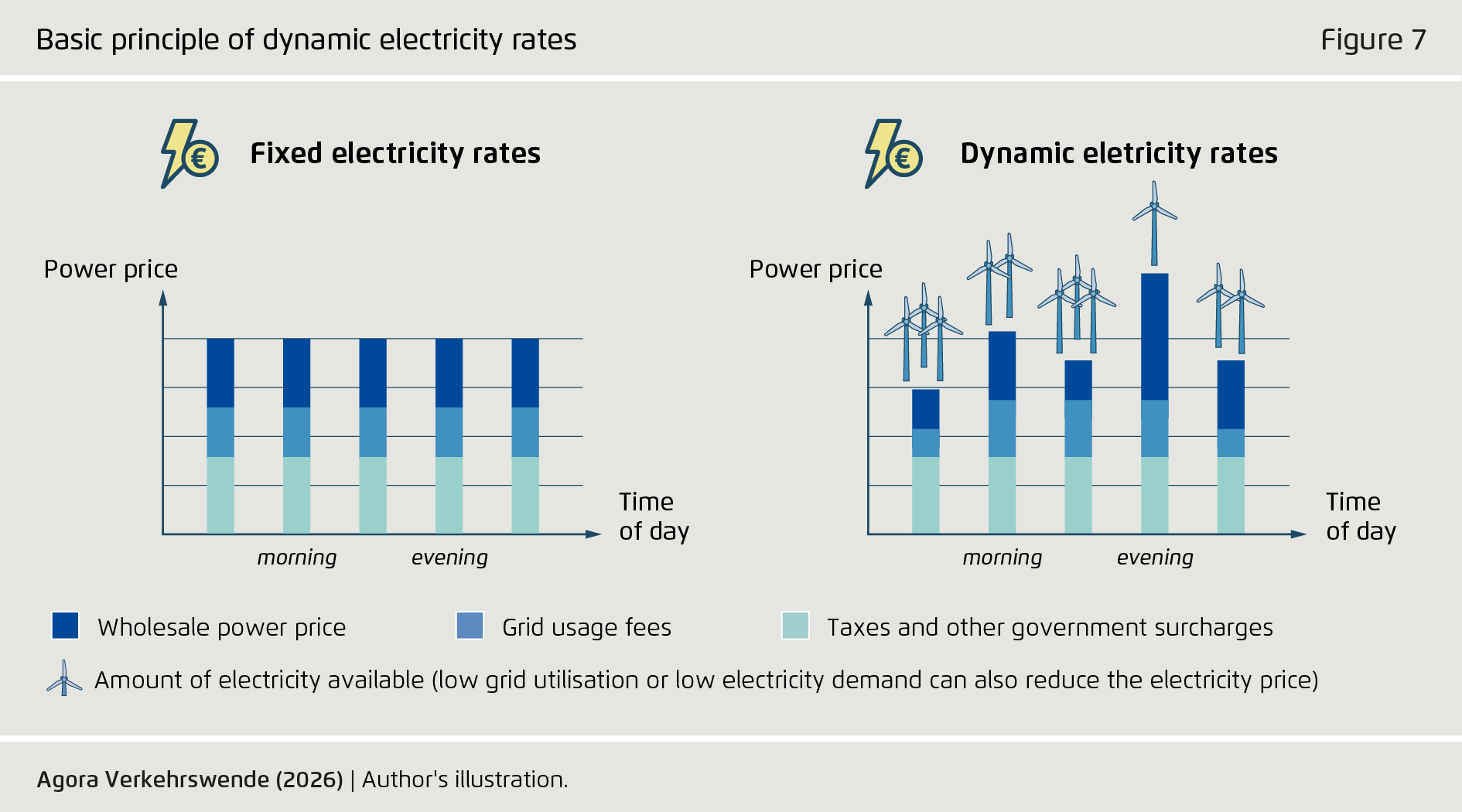
Dynamic electricity prices create effective incentives for customers to take advantage of their flexibility and engage in bidirectional charging. Static rates change only at fixed times, such as through higher prices during midday or evening peak hours or between seasons. In contrast, dynamic rates vary in real time based on factors such as grid conditions, electricity market prices, or the availability of renewable energy sources. They offer car owners stronger incentives to adjust their consumption.
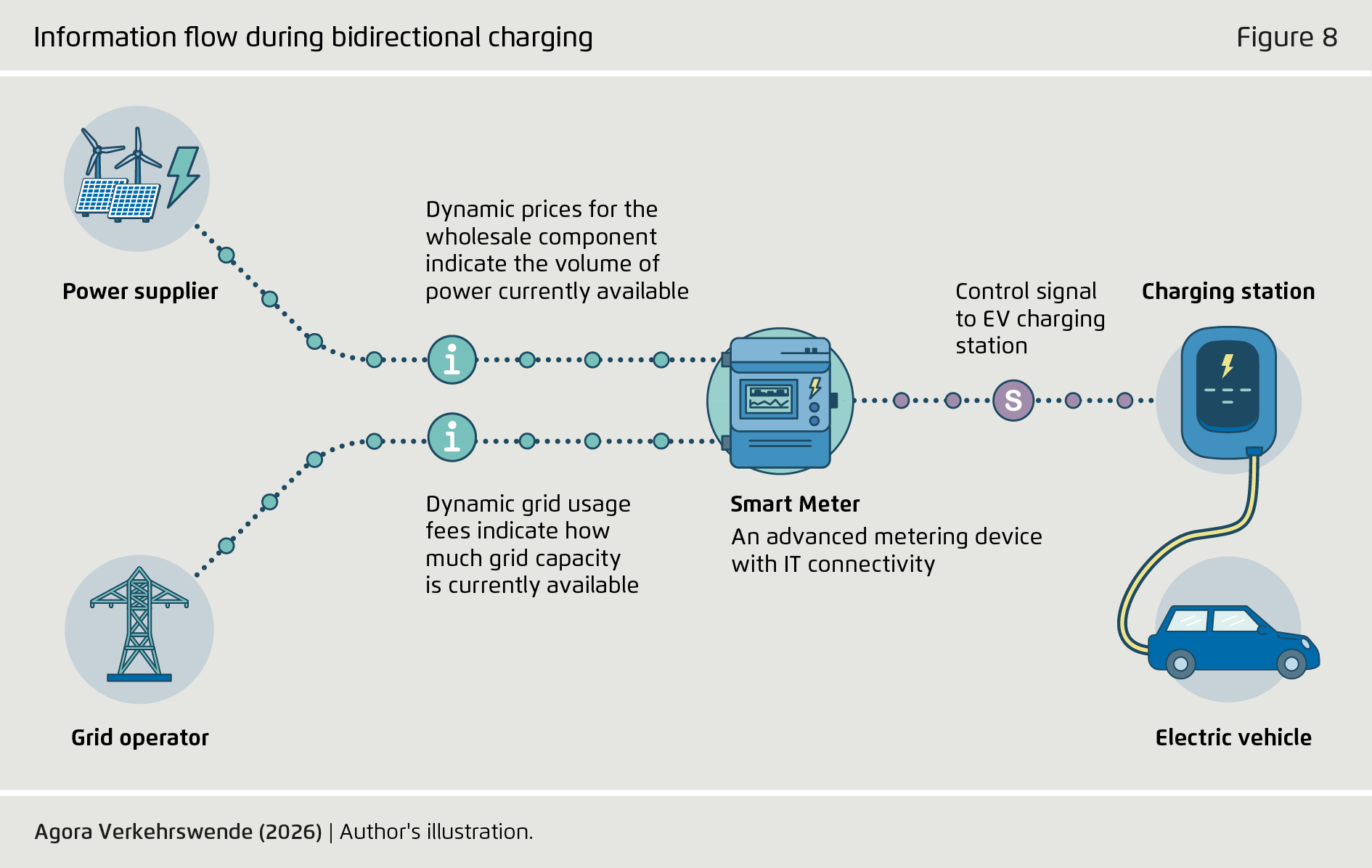
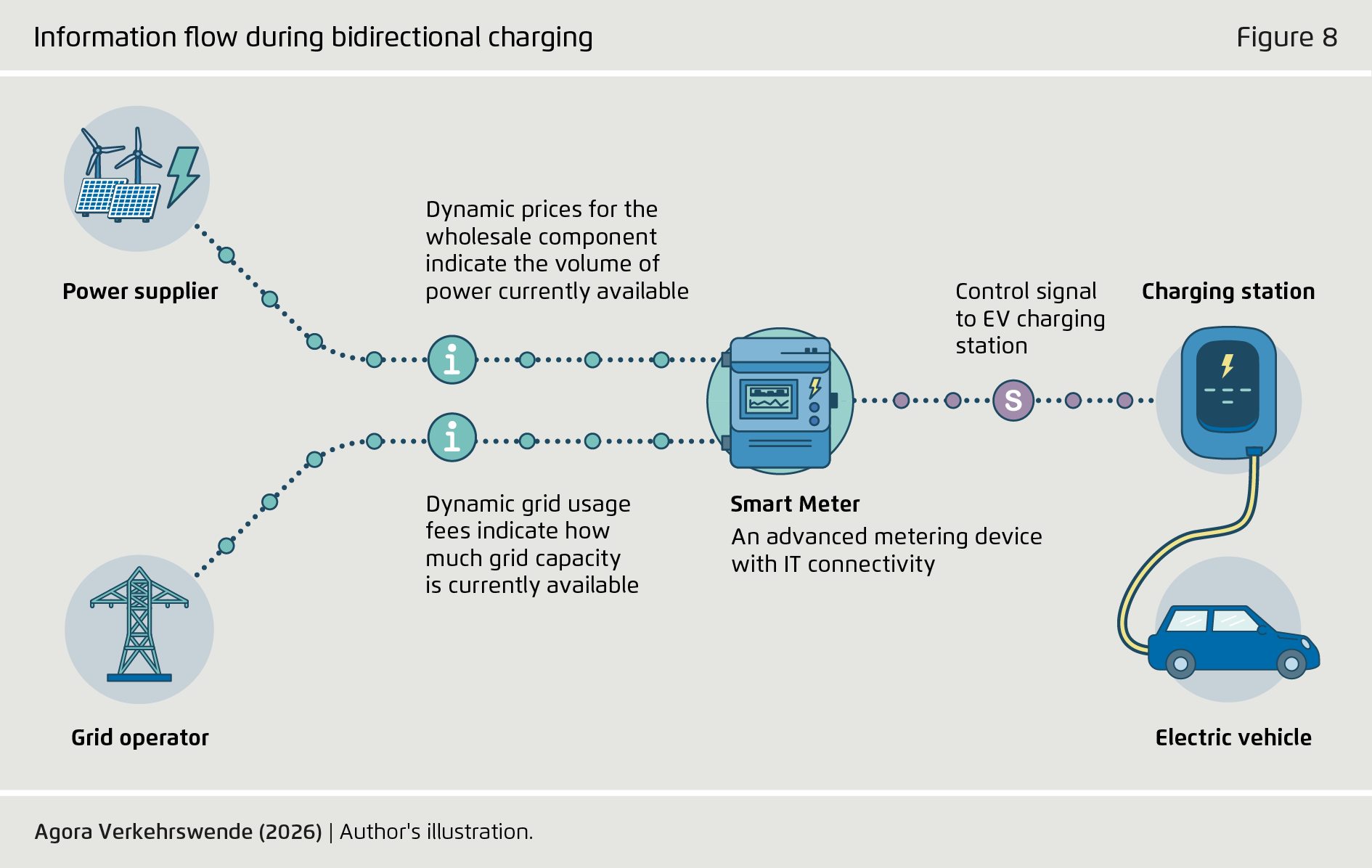
Smart metering systems serve as the link between the charging station and the power system. To optimise this connection, consumers must be able to receive price signals regarding electricity availability and grid utilisation, while transmitting control signals to their own charging point. In the future, this process will be automated via smart meters, which combine a standard electricity meter with a communication interface.
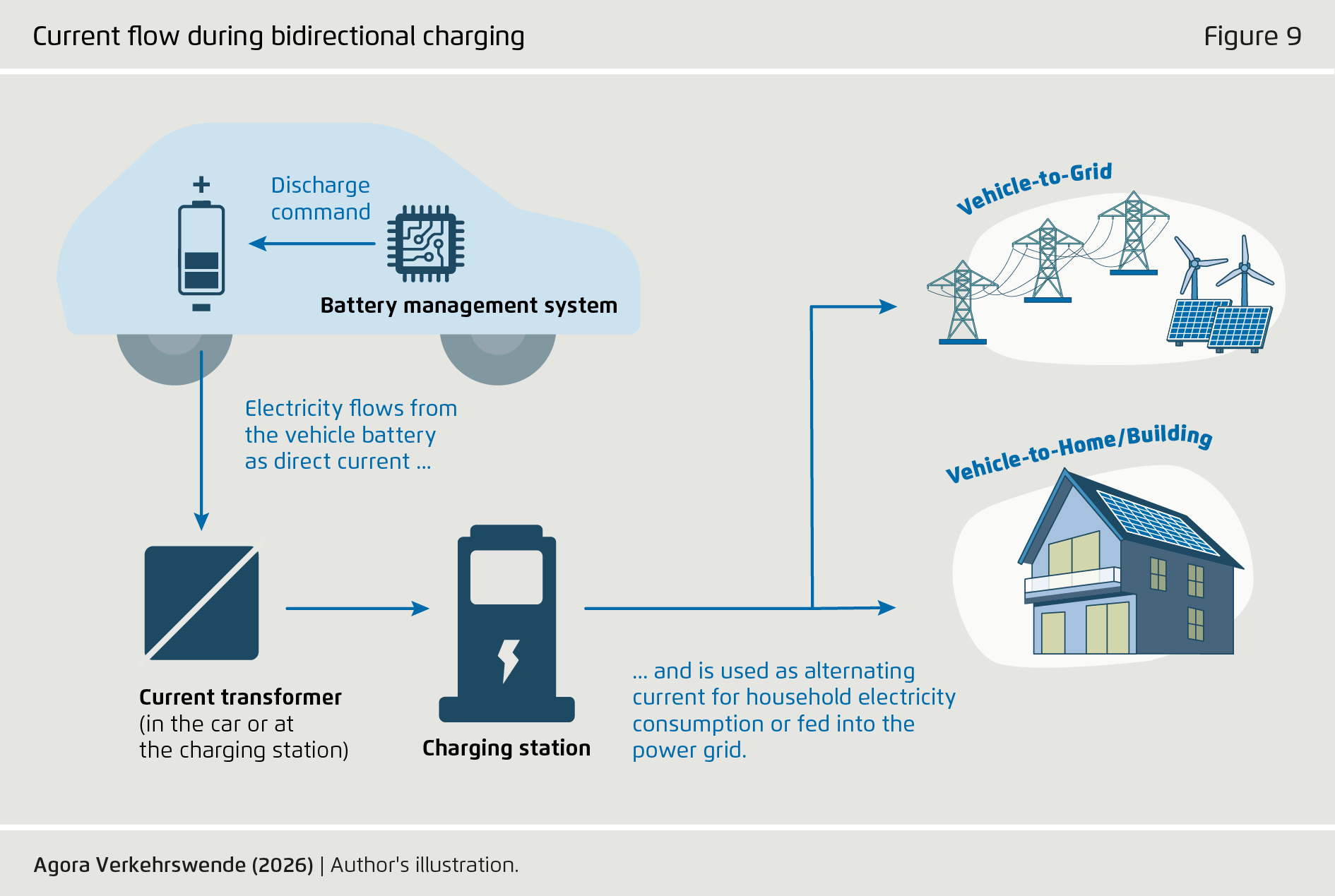
Both the vehicle and the charger must support bidirectional charging. This requires a battery management system in the vehicle capable of transmitting discharge signals to the battery. In addition, either the vehicle or the charging infrastructure must include a power converter that transforms the direct current stored in the battery into alternating current, which is used in the power grid and in buildings. Furthermore, the charging connector must support the data communication required for bidirectional operation.
How widespread is bidirectional charging in Germany?
The capability for bidirectional charging will increase significantly in the coming years. So far, only a few charging stations and vehicles are designed for bidirectional charging. While approximately 25 vehicle models or about one-fifth of the electric vehicles newly registered each year are technically capable of bidirectional charging, this functionality is often limited to charging electrical devices, such as e-bikes or laptops (Vehicle-to-Load, V2L). A factor supporting a faster and more far-reaching transformation is that the CCS standard (Combined Charging System for charging with direct and alternating current), which dominates in Europe, has been expanded to include specifications for bidirectional charging in accordance with the standards of the International Organisation for Standardization (ISO). Various commercial offerings currently entering the European market underscore this development.3
In Germany, the key framework conditions for bidirectional charging have been established. Particularly as a result of the European Electricity Market Directive, the number of available dynamic electricity tariffs has risen significantly – from around ten offerings in 2021 to about 90 in 2023. Since April 2025, grid operators have been required to offer time-variable grid fees – though so far, only a few grid operators have complied with this requirement.4 The Federal Network Agency plans to implement a regulation by the end of 2026 that would exempt a large portion of the grid fees for electricity temporarily stored in vehicles. This could yield significant economic benefits for vehicle-to-grid applications, given that these fees account for about a quarter of the electricity price. The “Coalition of the Willing for Bidirectional Charging,” initiated in 2023 by the federal government and backed by European industry, is also promoting the EU-wide harmonisation of standards for bidirectional charging.
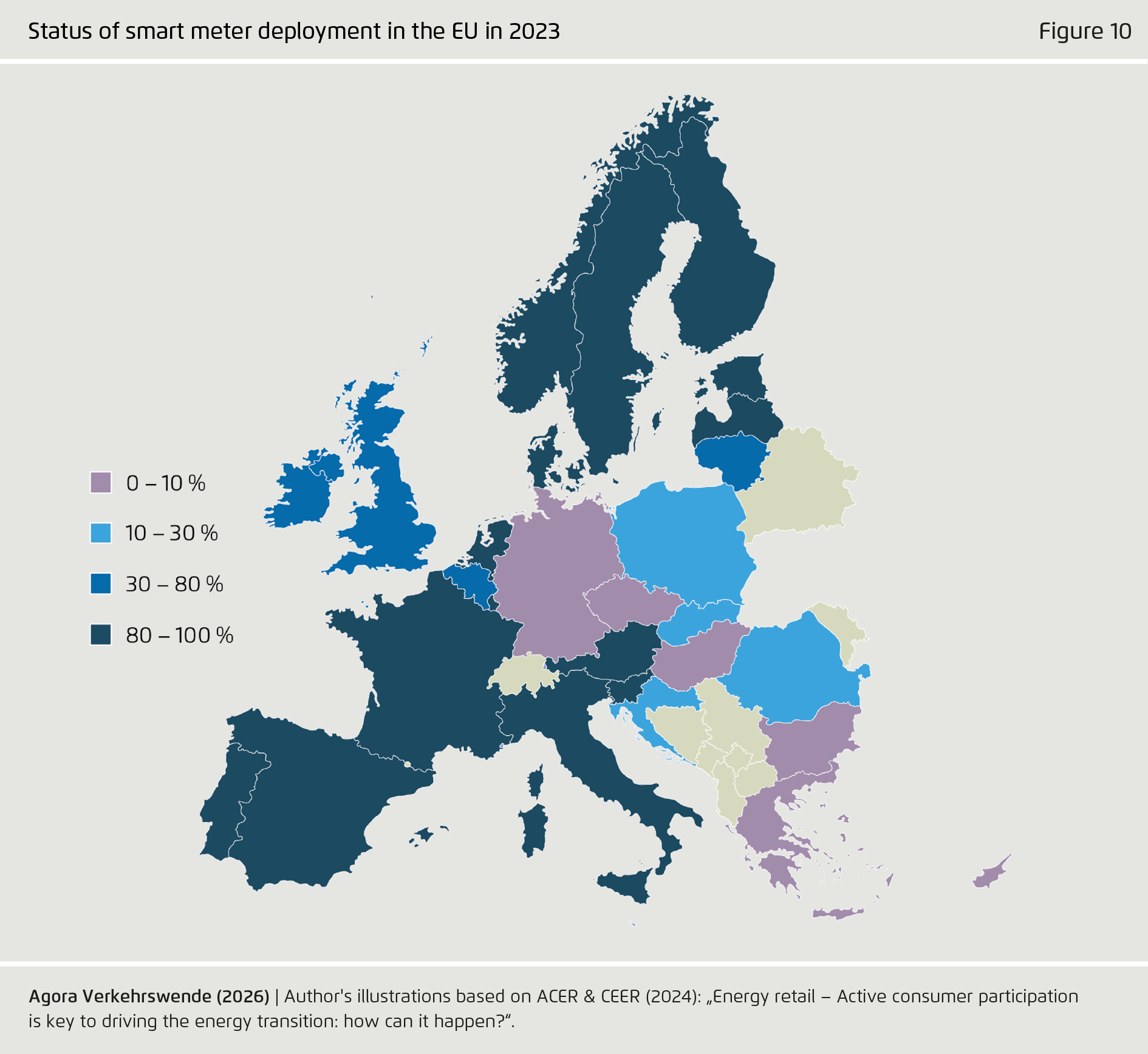
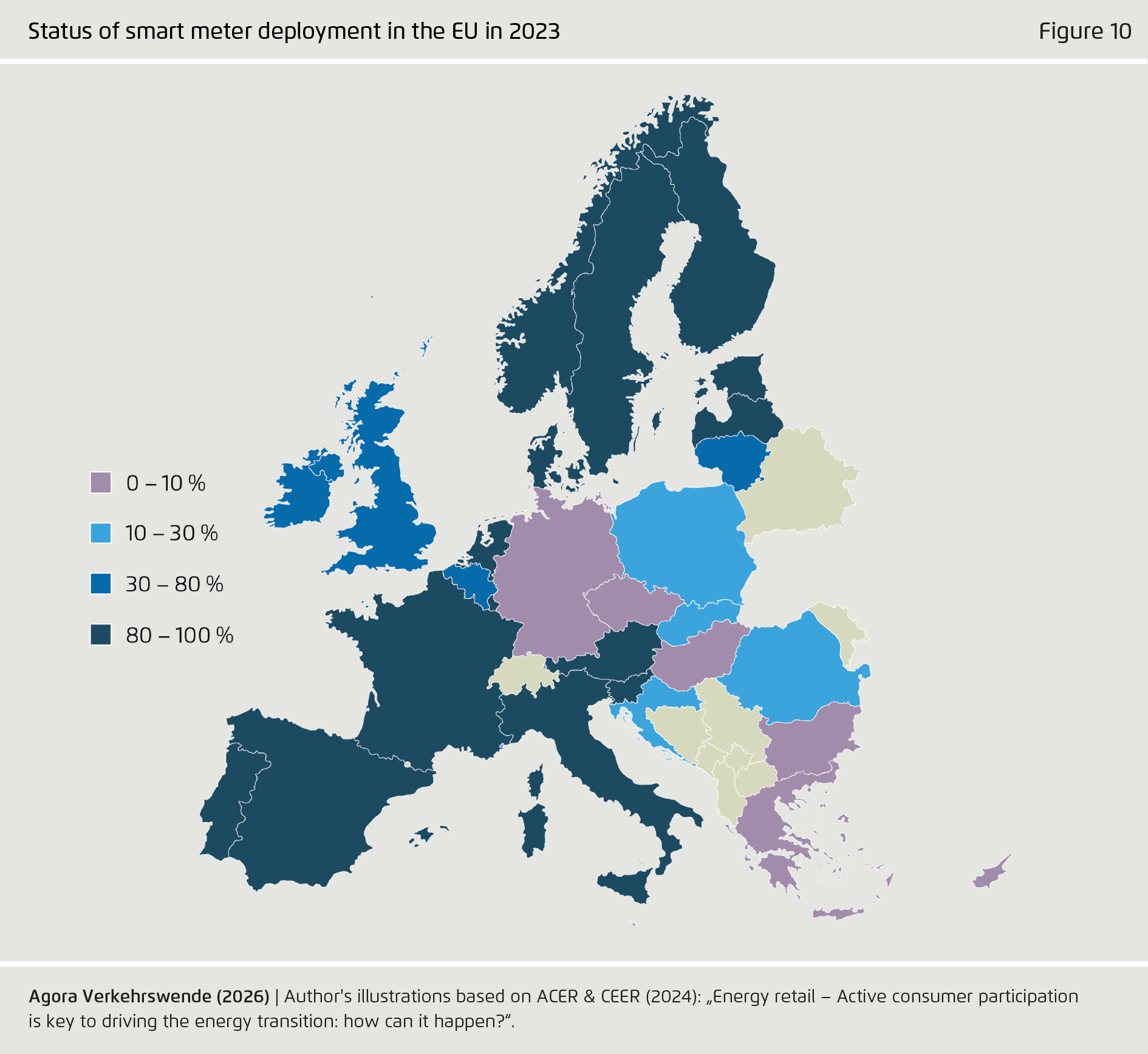
Germany is making slow progress in the digitalisation of its electricity infrastructure, particularly in the rollout of smart meters. By 2025, fewer than five percent of households had smart metering systems.5 According to various company representatives, this is due in particular to the highly complex requirements for the devices and to the significant amount of red tape, such as that involved in certification.6 Other European countries are further along in the rollout of smart meters. In Austria, Italy, France, Spain, the Netherlands, Denmark, and several other countries, coverage already exceeds 80 percent of households. Another obstacle to the digitalisation of Germany's electricity infrastructure stems from regional variations in regulations governing grid connection and usage.
How are other countries making progress with bidirectional charging?
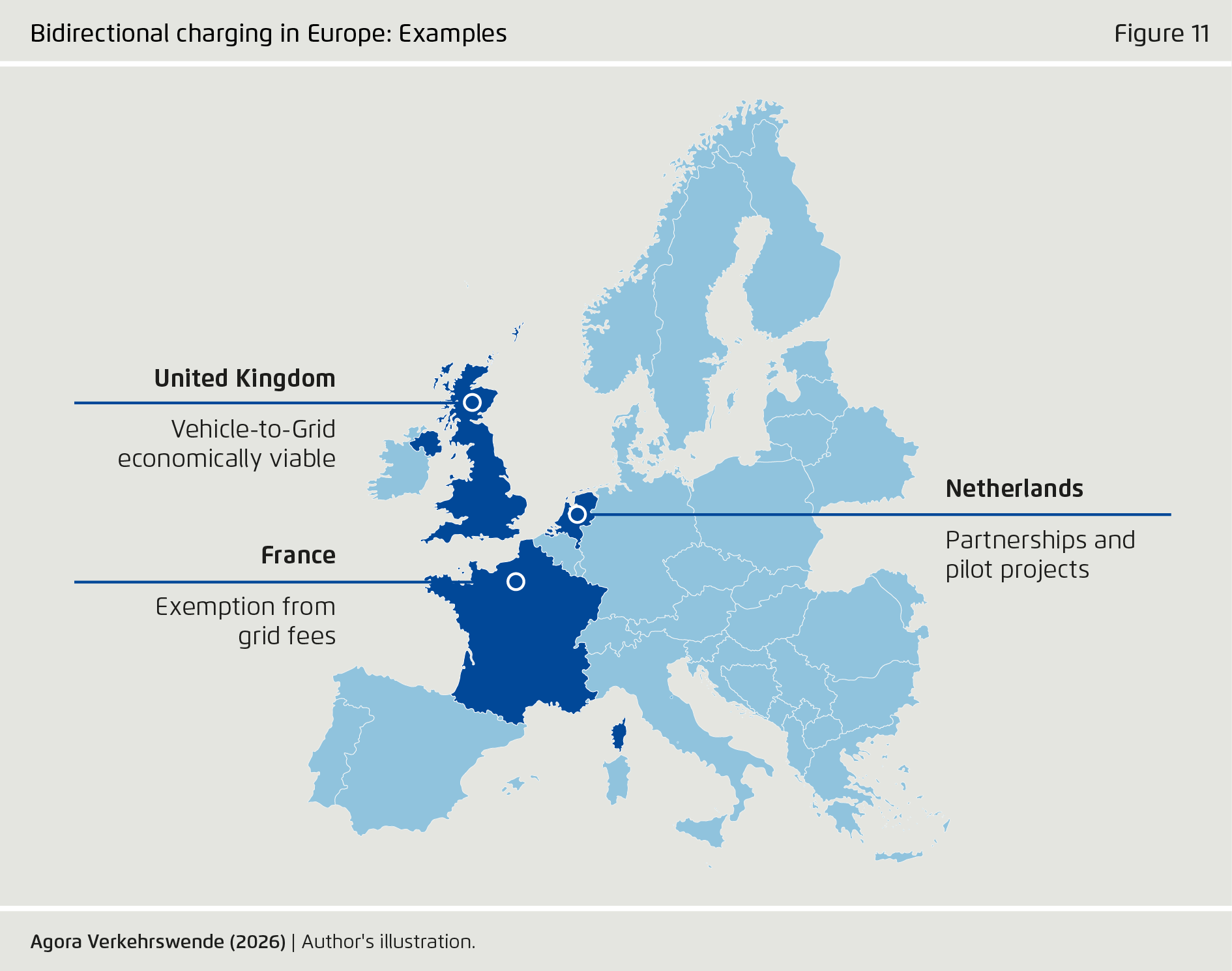
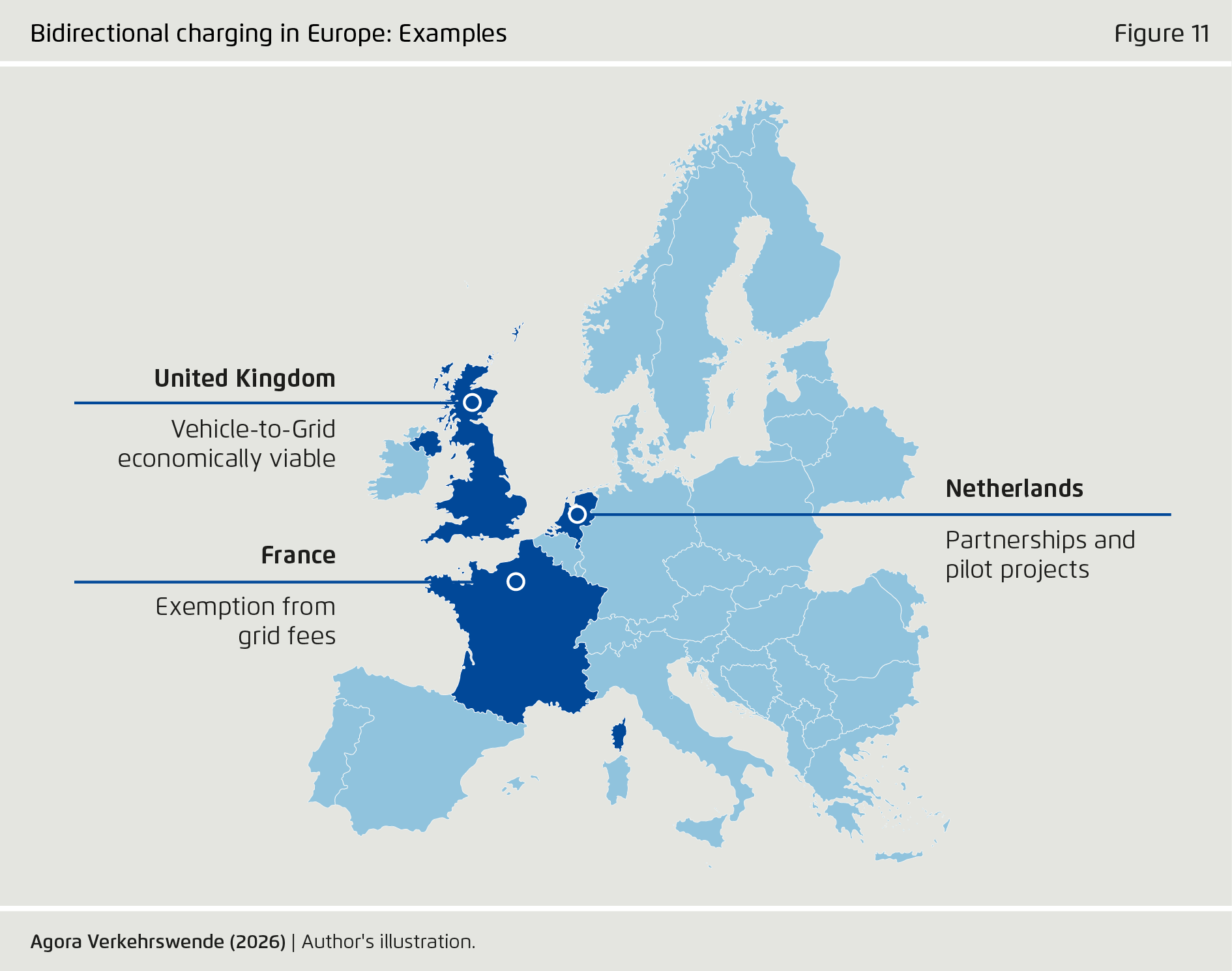
Leading European markets for EVs are driving the development of bidirectional charging – despite ongoing hurdles. In the Netherlands, V2G business models have so far been only marginally economically viable; unresolved issues regarding protocols and standards are slowing progress. Nevertheless, close cooperation between grid operators and providers, as well as pilot projects, are promoting market adoption. In France, the exemption from grid fees makes V2G economically attractive, and the centralised market structure creates favourable conditions. However, grid operators are currently focusing particularly on grid expansion and other flexibility solutions, such as a capacity market for electricity generation. In the United Kingdom, V2G applications can already be operated profitably. However, there is still a need for regulatory adjustments, for example regarding the certification of chargers. Progress in bidirectional charging in Europe is expected to accelerate, primarily due to the European Commission’s recently published Electrification Action Plan. This document explicitly addresses the widespread adoption of bidirectional charging as part of the European electrification strategy. For example, the Commission plans to introduce requirements for EVs registered in the EU starting in 2030 that enable bidirectional charging – for instance, through standardised communication protocols.
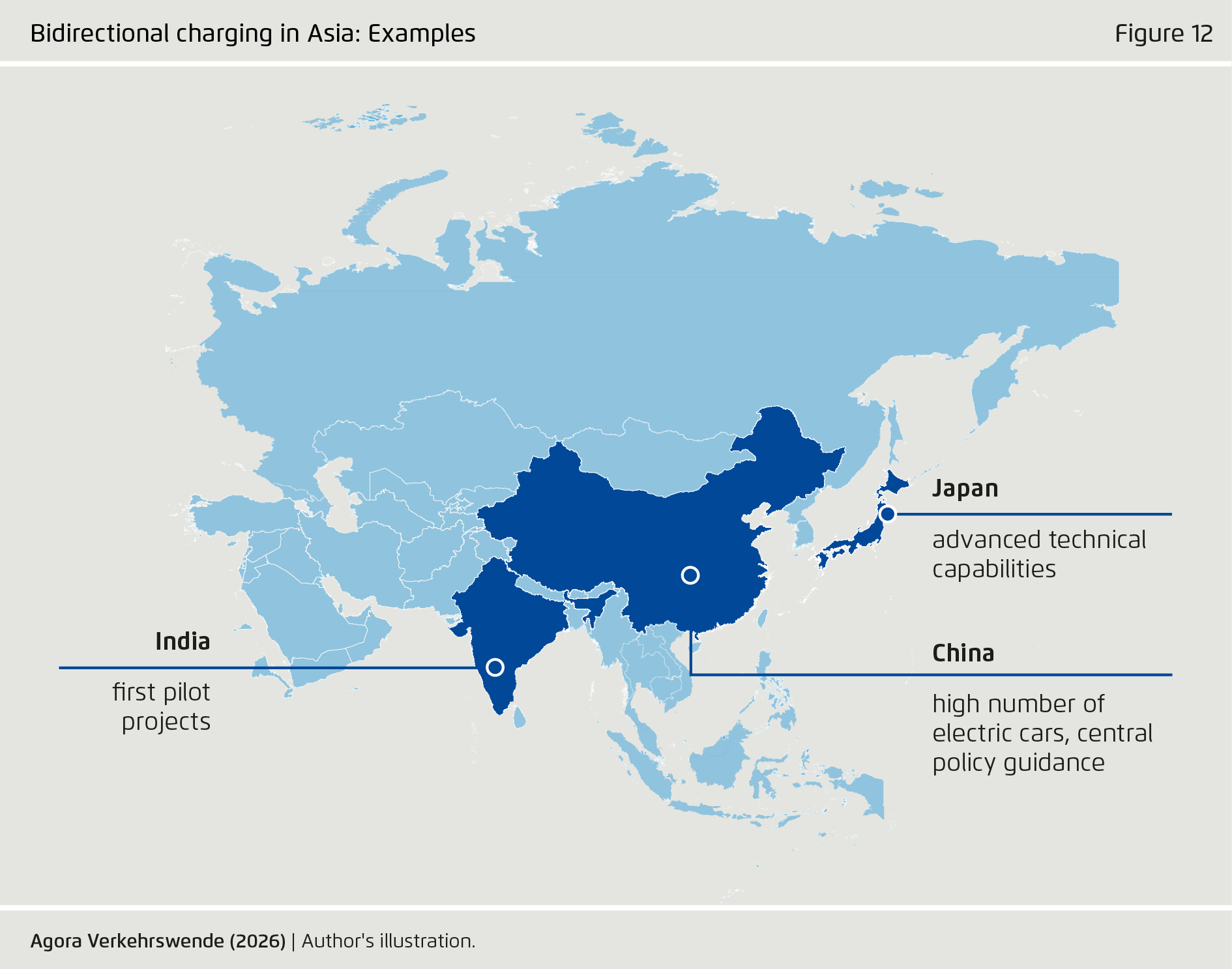
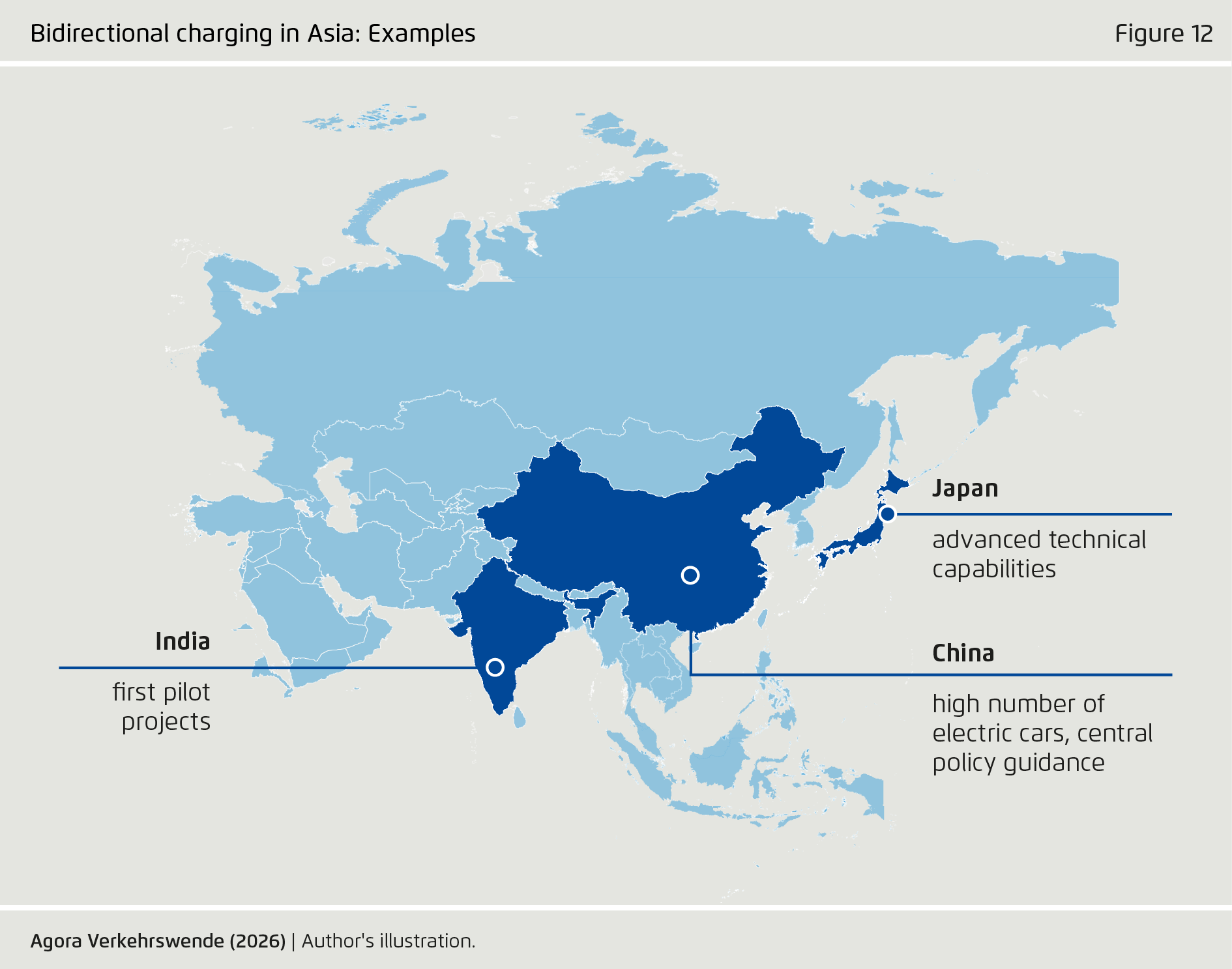
Bidirectional charging is also gaining increasing importance in Asia. China has favourable structural conditions, including a large number of electric vehicles and centralised policy oversight. However, financial incentives and viable business models for V2G still need to be developed. In Japan, many electric vehicles already support bidirectional charging, and the infrastructure for feeding electricity into the household power grid (V2H) is in place. Nevertheless, V2G applications remain limited, as viable business models are still lacking here as well. In India, while most electric vehicles offer functions for charging electrical devices (Vehicle-to-Load), the necessary technical, regulatory, and economic framework for V2G is missing. Initial pilot projects are providing valuable insights in this area.
Conclusion: Strategic Opportunities for Germany as an Automotive Hub
Interest in bidirectional charging is growing worldwide. The drivers behind this trend are the transition to a renewable energy supply and the growing need for flexibility in the power system. Car owners, in turn, can use this technology to save on energy costs. No clear forerunner has yet emerged.
For Germany, this presents a strategic opportunity in terms of industrial policy: to act as a leading market, help shape international standards, and develop competitive products and services that can also hold their own in the export market. A prerequisite for this is that the federal government and industry tackle these challenges decisively – in cooperation with the EU and international partners.
In particular, the federal government and the Federal Network Agency should accelerate the rapid rollout of smart metering systems. The planned preferential grid tariffs will significantly increase the economic viability of vehicle-to-grid applications. This makes it all the more important that the necessary technical infrastructure is in place. It is the foundation for a digital and electric future.
1 https://ffe.de/wp-content/uploads/2023/07/2023-03-23_BDL_Abschlussbericht.pdf
2 This roughly equals the energy consumption of a four-person household in Germany. A vehicle battery with a capacity of 75 kilowatt-hours is assumed.
3 For example BMW and E.ON: https://www.eon.de/de/pk/e-mobility/bidi-laden-bmw-ix3.html; Nissan and Valeo: https://www.electrive.net/2026/06/23/nissan-und-valeo-kooperieren-beim-bidirektionalen-laden/
4 https://www.vnb-transparenz.de/zu-hause/zvNE
5 https://www.ffe.de/veroeffentlichungen/wie-steht-es-um-den-deutschen-smart-meter-rollout-2/
Bibliographical data
Downloads
-
Factsheet
pdf 2 MB
Bidirectional charging – a primer
How it works, what benefits it offers, and where Germany stands in international comparison
All figures in this publication
Overview over key use cases of bidirectional charging
Figure 1 from Bidirectional charging – a primer on page 3
Share:

Qualitative overview of electricity generation, demand, and flexibility
Figure 2 from Bidirectional charging – a primer on page 4
Share: